

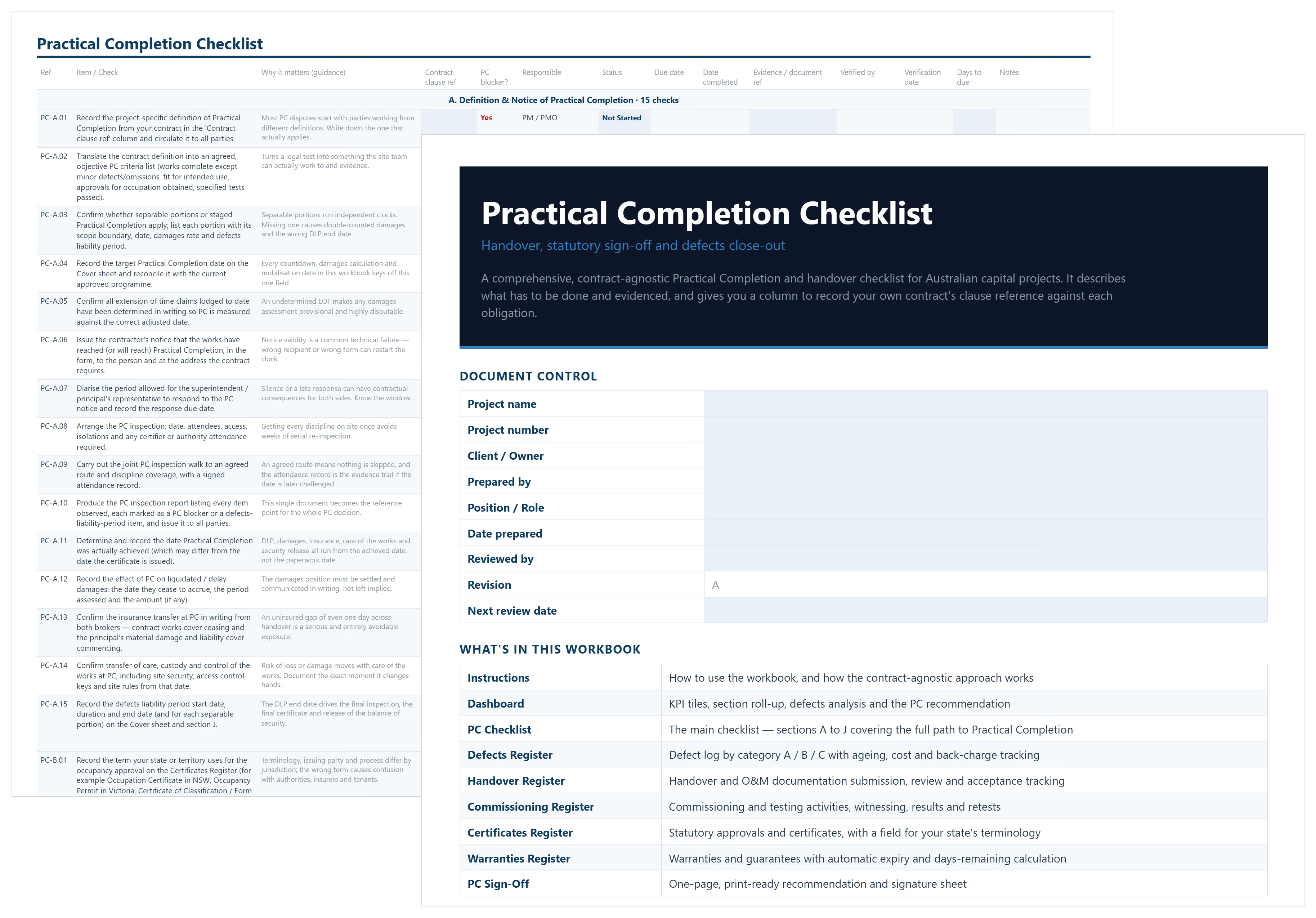

What is a Practical Completion Checklist?
A practical completion checklist is a document verifying all building work meets contractual obligations. It systematically records inspection items across external elements, interior finishes, services, and compliance documentation.
Superintendents and client-side project managers use these checklists during a practical completion inspection (PCI). The document records minor defects and incomplete work before handover occurs. Australian construction contracts under AS 4000 and AS 2124 require thorough verification before issuing certificates.
Key Components of a Practical Completion Inspection Checklist Template
Comprehensive practical completion checklists contain specific verification categories ensuring nothing gets overlooked. The structure captures building condition, services functionality, and compliance status systematically.
Inspection checklists include critical assessment areas such as:
- External building elements: Roof tiles, gutters, fascias, downpipes, brickwork, settlement cracks, and paintwork.
- Doors and windows: Window glass, window sills, window framework, door operation, garage door, locks, and architraves.
- Interior finishes: Paint quality, cornice lines, wall finishes, flooring, damage assessment, and overall workmanship.
- Electrical systems: Power points, light switch operation, electrical safety certificates, fittings, and compliance verification.
- Plumbing and wet areas: Wet area sealing, toilet pan, towel rails, tapware, drainage, and plumbing certificates.
- Services commissioning: HVAC, hot water, mechanical systems, communications, and operational testing requirements.
- Compliance documentation: Electrical safety, plumbing, Certificate of Classification, manuals, warranties, and as-built drawings.
- Site completion: Landscaping, fencing, driveways, paths, rubbish removal, final cleaning, and presentation standards.
💡 Pro Tip: Create separate checklists for each building zone rather than one master list. Room-by-room inspection prevents overlooking areas and provides clearer tracking for rectification work.
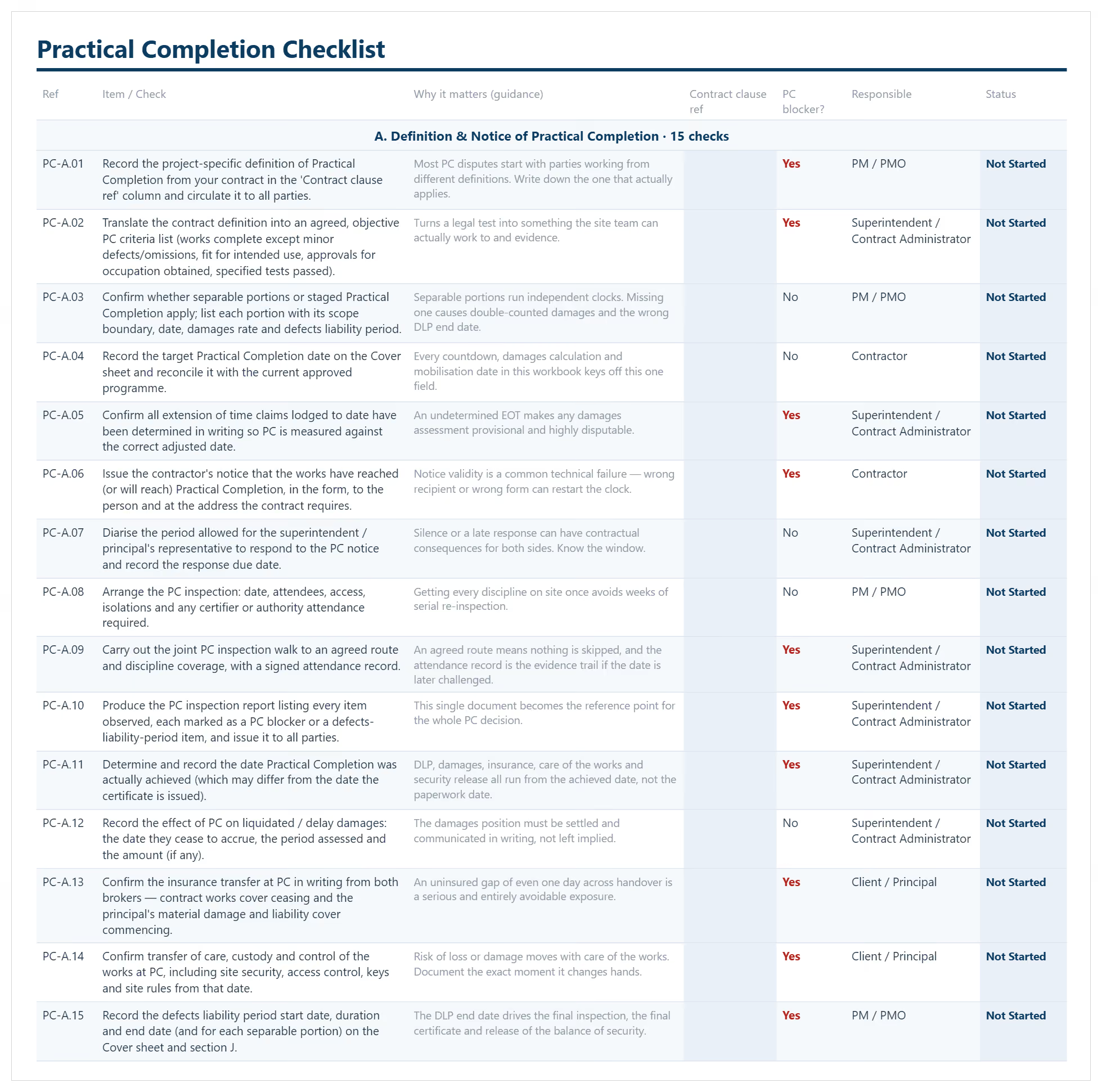
Why Conduct a Practical Completion Inspection?
Practical completion checklist protects owners from accepting defective work before final payment releases. Professional inspection identifies issues while builders maintain contractual obligation for free rectification within timeframes.
Key reasons to conduct thorough practical completion inspections include project protection benefits:
- Prevents accepting substandard work: Documentation creates evidence before handover prevents disputes about construction quality.
- Triggers defects liability period: Certificate issuance starts the countdown for builder rectification obligations officially.
- Releases retention money: Final payment and security release occurs only after satisfactory practical completion.
- Transfers insurance responsibility: Risk shifts from builder to owner, making thorough inspection critical.
- Provides audit trail: Pre handover inspection documentation supports compliance and contractual protection during disputes.
- Protects home buyers: New home purchasers gain documented evidence of building condition at settlement.
- Satisfies lender requirements: Australian lenders often require building inspection reports before releasing construction finance.
- Confirms regulatory compliance: Verification ensures work meets National Construction Code and Australian Standard requirements.
Consider a project where practical completion is rushed without proper inspection. Defects surface after handover. The owner now pays for rectification the builder should have fixed freely earlier.
💡 Pro Tip: Schedule your practical completion inspection before requesting the final progress claim. Most contracts prevent rectification demands once final payment completes to contractors.
How to Complete PCI Checklist
Using a practical completion checklist effectively requires systematic preparation and methodical execution during site assessment. Effective use means covering every inspection category whilst documenting issues clearly for rectification tracking.
Follow these steps to maximize inspection effectiveness:
- Review contract documents: Study building contract specifications, approved plans, and finish schedules before inspection day.
- Gather inspection tools: Bring phone charger for testing power points, torch for dark spaces, and camera.
- Check external elements first: Inspect roof, gutters, brickwork, windows, doors, garage door, fencing, and landscaping.
- Verify interior room quality: Examine paint, flooring, doors, windows, power points, light switch operation, throughout each space.
- Test all wet areas: Check toilet pan installation, tapware operation, drainage, wet area sealing, and waterproofing integrity.
- Assess services function: Test electrical, plumbing, heating, cooling, hot water, and communications for proper operation.
- Document every issue: Photograph all defects, incomplete work, damage, and non-compliance with specific location details.
- Review compliance certificates: Verify electrical safety, plumbing compliance, classification certificates, and operations manuals provided.
- Create detailed defects list: Record every striker plate missing screws, paint touchups, and concerns requiring builder attention.
- Mark defects on site: Use coloured masking tape identifying specific issues for trades during rectification visits.
- Compile final report: Organize findings by room and category for clear communication to builder.
- Schedule re-inspection: Book follow-up inspection after rectification period expires to verify completion work.
💡 Pro Tip: Test every power point and light switch systematically using your phone charger. Missing or non-functional electrical fittings are common oversights that cause delays if discovered after handover.
Who Uses PCI Checklists?
These comprehensive inspection tools are essential for anyone verifying building work meets contractual and regulatory standards. They're valuable for both client-side and contractor-side teams conducting final assessments.
These are the roles that benefit most from using practical completion checklists:
✅ Superintendent: Verify contractual completion before issuing Certificate of Practical Completion under AS contract administration.
✅ Client-side project manager: Oversee final inspections ensuring all work meets specifications before owner handover.
✅ Building consultant: Conduct independent assessments for owners ensuring quality standards and Building Code compliance.
✅ Project owner: Inspect new home or commercial facility before accepting handover and releasing final payment.
✅ Quantity surveyor: Assess completion status for final payment certification and retention money release.
✅ Head contractor: Prepare for owner inspections by conducting internal quality checks identifying required rectification.
✅ Facilities manager: Document building condition at handover establishing baseline for future maintenance and operations.
✅ Developer: Oversee multiple trades completion across complex projects ensuring coordination and quality before settlement.
When to Schedule Your Practical Completion Inspection
Schedule practical completion inspection when contractors notify readiness for final assessment. The builder typically provides five working days written notice before anticipated completion date. That notice usually takes the form of a practical completion letter from the contractor.
Key timing considerations for scheduling practical completion inspections include project milestones:
- Upon contractor notification: Book independent inspector immediately upon receiving builder's notification of approaching practical completion.
- After construction finishes: Conduct inspection after all construction finishes but before contractor demobilizes from site.
- Before certificate issuance: Coordinate with superintendent or contract administrator to align inspection with certification requirements.
- During pest inspection: Schedule pest inspection simultaneously to identify termite activity or timber defect concerns.
- Allow sufficient time: Plan sufficient time using your practical completion checklist without rushing through critical verification.
- State-specific requirements: NSW Fair Trading and QBCC requirements mandate specific inspection protocols before handover.
- Project complexity: Residential projects typically require three to four hours for complete assessment obviously.
- Multiple inspection days: Commercial facilities or large infrastructure projects need multiple inspection days obviously.
💡 Pro Tip: Schedule your practical completion inspection two weeks before planned settlement date. This buffer allows time for rectification work and re-inspection without delaying handover deadlines or settlement payments.
Best Practices for Practical Completion Checklists
Effective checklist management requires systematic organisation and consistent documentation standards throughout inspection processes. These practices ensure nothing gets overlooked whilst maintaining clear audit trails.
☑️ Organize by building zones: Group external elements separately from interior spaces for logical flow.
☑️ Use consistent terminology: Match contract specifications and approved drawings exactly for verification clarity.
☑️ Include photographic evidence: Timestamp and geotag images linking them to specific checklist entries systematically.
☑️ Maintain separate defects list: Record defect location, description, and rectification responsibility distinctly from inspection checklist.
☑️ Update templates after projects: Review completed inspections identifying gaps in coverage or unclear criteria.
☑️ Store in centralised repository: Link inspection records to variations, RFIs, and contract correspondence permanently.
☑️ Number items sequentially: Use checklist item numbers for defects list cross-referencing ensuring clear tracking.
💡 Pro Tip: Number each checklist item sequentially for defects list cross-referencing. When documenting an issue, reference checklist item numbers ensuring clear tracking throughout rectification.
Common Problems with Manual PCI Documentation
Manual inspection checklist management creates inefficiencies that delay project closeout and increase dispute risks. Generic templates rarely capture project-specific requirements adequately for thorough verification.
Common challenges with manual checklist processes include documentation failures:
⚠️ Version control failures: Multiple team members edit Word or Excel creating conflicting versions.
⚠️ Incomplete coverage: Generic templates omit project-specific requirements from contract specifications causing oversights.
⚠️ Lost documentation: Paper-based checklists get misplaced during site inspections preventing proper defects compilation.
⚠️ Formatting inconsistencies: Different inspectors use varying styles making comparison across projects difficult.
⚠️ Missing compliance items: Outdated templates exclude current National Construction Code requirements risking non-compliance.
⚠️ Time-consuming creation: Building checklists from scratch for each project wastes hours focusing on inspection.
⚠️ Photograph management issues: Disconnected images from checklist items make defect identification and verification difficult.
💡 Pro Tip: Before using any downloaded template, verify it includes your state's current compliance requirements. QBCC and NSW Fair Trading update standards regularly affecting inspection obligations.
Complete Projects Confidently with Mastt
Manual checklist management creates delays, errors, and incomplete documentation undermining project closeout. Home buyers and project owners deserve assurance their building meets every specification before handover.
Mastt's AI Assistant generates comprehensive, jurisdiction-specific practical completion checklists tailored to your exact requirements. Upload contract documents and receive customized inspection lists including every relevant compliance item. Export finished checklists ready for immediate field use without formatting hassles.
👉 Start creating your practical completion checklist with Mastt's AI Assistant today.
.avif)
Written by
Doug Vincent
Doug Vincent is the co-founder and CEO of Mastt, the AI capital-project management platform used by governments, Fortune 500 companies, and consultancies across APAC, North America, and MENA. Before founding Mastt in 2019, he spent a decade at RPS delivering more than $2 billion in capital works, including the $2.1B Defence Navy Infrastructure program, and holds a CPSPM certification with the AIPM. He contributes content and speaks on AI in capital project delivery at Mastt.

Use this practical completion checklist to catch defects before handover. Generate project-specific checklists in Word or Excel with Mastt AI. Download free for NSW, QLD, WA projects.

Top Performers Don’t Guess. They Deliver.
Cut the stress of showing up unprepared
Start for FreeTrusted by the bold, the brave, and the brilliant to deliver the future