
![What to Include in a Construction Cost Report [Examples]](https://cdn.prod.website-files.com/607f739c92f9cf647516b37b/673325cfc0431e0bcb96cbb8_66fa6b3e729571b2ca1ef55d_What%2520to%2520Include%2520in%2520a%2520Construction%2520Cost%2520Report.avif)
In the construction industry, a well-prepared construction cost report is vital for keeping projects on track. Whether you're managing a high-rise or a smaller capital project, these reports ensure that the project remains within budget, flags any cost overruns early, and provides stakeholders with a clear financial picture.
Let’s talk about what to include in a comprehensive construction cost report and provide examples that can help you streamline your own process.
What is a Construction Cost Report?
A construction cost report is a financial document that tracks all project expenses. It shows where money is spent, planned costs, and budget status. This helps project managers control spending, avoid cost overruns, and keep finances on track.
Think of it as a financial snapshot of your project. It’s used to track actual spending, compare it to the budget, and plan for future expenses. This report helps project managers, stakeholders, and teams make smarter decisions and avoid surprises.
For a deeper understanding, check out our cost reporting guide.
Why a Construction Cost Report Matters
A construction cost report shows if your project is on budget, at risk, or overspending. It brings together budget, commitments, variations / change orders, and actual costs in one clear view. With this report, project owners and managers can make quick, confident commercial decisions.
Here are the main reasons a construction cost report matters on construction projects:
- Budget control: Compares approved budget with current commitments and remaining allowance.
- Forecast accuracy: Shows forecast final cost so you can see overruns early.
- Risk visibility: Highlights changes, disputes, and contingencies that could increase total spend.
- Cash flow planning: Maps expected payments so finance teams can plan funding timing.
- Governance and audit: Creates a clear record for approvals, boards, and external audit.
On a live project, the construction cost report often becomes the main commercial reference. The project manager uses it in progress meetings to review each package line by line. That regular review helps the team spot small cost issues before they grow into major problems.
What to Include in a Construction Cost Report
A construction cost report brings together key financial data to measure budget performance and forecast the final project cost. It shows the current financial position and whether spending is tracking above or below the approved budget.
To ensure your construction cost report is comprehensive, you’ll need to include the following key elements:
1. Project Budget Overview
This section outlines the original budget approved for the project, providing a top-level view of the funds allocated for each phase of the project. Your construction cost report should detail:
- Initial budget for materials, labor, and equipment
- Budget for contingency or unexpected costs
- Current spend versus original allocation
2. Actual Costs
The actual costs should reflect every dollar spent on the project up to the current reporting period. Break down costs into categories, such as labor, materials, subcontractors, and equipment rentals.
Comparing actual costs with the project budget helps track construction projects accurately.
- Material costs
- Labor costs
- Subcontractor payments
- Equipment rentals
- Miscellaneous costs
3. Committed Costs
Committed costs represent expenses that have been agreed upon but not yet paid. These include signed contracts and purchase orders for materials or services yet to be delivered. Always update this section to reflect new contracts or agreements.
For detailed insights into managing committed costs, see our article on tracking committed costs effectively.
4. Forecasting and Estimated Costs to Complete (ETC)
One of the most critical aspects of a construction cost report is forecasting. The Estimated Costs to Complete (ETC) projects how much more the project will require to finish based on current trends.
Accurate forecasting helps prevent cost overruns and ensures that the project remains within financial limits.

5. Change Orders and Variations
Tracking change orders is essential in construction as projects often encounter changes in scope, design, or unforeseen circumstances. Ensure your cost report accounts for these changes by adding:
- Approved change orders with associated costs
- Pending change orders under review
- Contingency budget used versus remaining
6. Cash Flow Projections
Cash flow is the heartbeat of any project. In a construction cost report, including a cash flow projection ensures that the project maintains enough liquidity to pay contractors, purchase materials, and handle any unexpected costs. This section helps monitor whether the funds are flowing as planned, and if not, adjustments can be made promptly.
7. Contingency Reserves
Contingency is the safety net that protects the project from unforeseen costs. Track how much of the contingency fund has been used and what remains. Include examples of common uses of contingency, such as covering unexpected site conditions or materials price fluctuations.
For more on contingency management, check out our detailed explanation on construction contingency.
💡 Pro tip: Think of your contingency reserve like a parachute - it’s better to have it and not need it than need it and not have it.
8. Summary of Risks and Mitigations
A cost report should always touch on potential risks to the project’s financial health and propose mitigations. This includes forecasting for potential material price increases or labor shortages and planning mitigation strategies to avoid budget blowouts.
For trends in cost control and risk management, explore Cost Control Trends.
.avif)
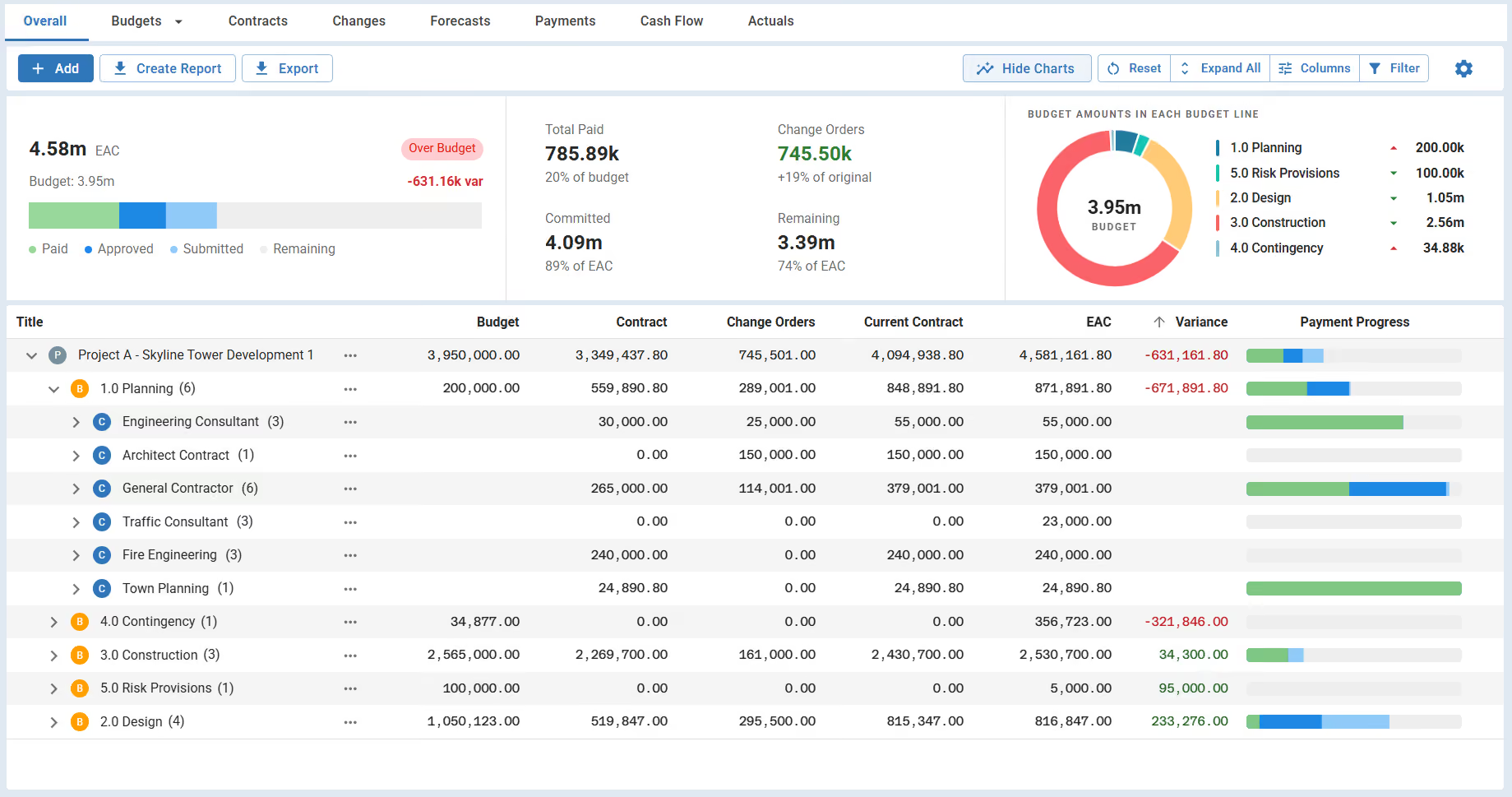
Construction Cost Report Example
Here is an example of a construction cost report for a commercial building project. This report illustrates how project managers track expenses, budget allocation, and timeline progress in a typical construction project.


Wrapping it Up
A well-organized construction cost report is the cornerstone of effective project financial management. By including the key elements outlined above, you ensure that your project stays within budget and surprises are minimized.
Remember, it’s all about tracking construction projects with precision and clarity. Because when it comes to cost, guesswork is your worst enemy. In construction, always measure twice, cut once, and check the cost report thrice!
.avif)
Written by
John Fisher
With a background spanning landscape project delivery and enterprise software, John Fisher is a product manager and former Mastt team member. He spent four years shaping Mastt's capital works platform, following nearly a decade delivering landscape projects, and holds IT and business degrees from UTS.


Contributions by
Project Cost Report
Use this FREE Project Cost Report Template to track, analyze, and communicate your project’s financial performance. Compare budgeted, committed, and actual costs to stay on top of your budget.

Walk Into Every Meeting With Confidence, Clarity, and Control
No one wants to look unprepared, blindsided, or uncertain in front of stakeholders — but that’s exactly what happens without Mastt.
Start for FreeTrusted by the bold, the brave, and the brilliant across governments, Fortune 500s, and the world’s best in delivering the future