



A tenant improvement construction schedule sets the start, finish, and handover dates for work inside a leased space. It maps out how each area moves from access to fit out to inspection and then to tenant handover. On multi-tenant projects, this schedule becomes the only way to keep track of dozens of small work streams running at the same time.
Teams rely on it to manage handover windows, control risk, and report progress with confidence. This guide shows a pro way to build a dependable TI construction schedule using Mastt.
What is a Tenant Improvement Construction Schedule?
A tenant improvement (TI) construction schedule is the timeline that maps out all work needed to build or renovate a tenant’s leased space. It sets the planned start, key project milestones, and handover date. It also ties those dates to access rules, lease terms, permits, inspections, and contractor availability.
Project teams rely on it to coordinate work and keep tenant improvements predictable. Most schedules use repeatable milestones. These dates help project managers track progress, manage risks early, and keep tenants and landlords aligned on when the space will be ready.
Why are TI Construction Schedules Hard to Manage
Managing TI construction schedules can be challenging because work is like many small projects delivered together. Each moves at different speeds and relies on shifting dates, approvals, and access conditions.
- Many small projects run in parallel: Each tenancy has its own start date, project milestones, rules, and handover window, which makes the schedule feel like dozens of mini programs stacked together.
- Frequent changes to access and lease dates: Shifts in landlord access, delayed permits, or revised lease terms force teams to re-sequence work on short notice.
- Different fit-out durations for each tenancy: Retail, office, medical, and food tenants all need different timelines, which makes a uniform schedule impossible.
- Stacked inspections and approvals: Building permits, landlord reviews, and code checks do not align neatly, so delays ripple into later phases.
- Limited space for concurrent work: Crews often share elevators, loading docks, and corridors, slowing progress when too many tenants build at once.
- Hidden dependency on base building readiness: The TI program depends on services, fire systems, and common areas being complete, which can shift later than planned.
- Reporting pressure from owners, landlords, and tenants: Stakeholders expect clear weekly or fortnightly updates, and standard Gantt charts often make the picture harder to understand.
TI schedules often become difficult because no two spaces follow the exact same rules. Even in a single building, one tenant may require extra mechanical work while another needs only cosmetic upgrades. These differences make the schedule messy, and without a clear structure, even small delays can push back the whole handover sequence.
How to Build a Tenant Improvement Construction Schedule
A strong tenant improvement construction schedule starts with the right structure, consistent milestones, and clear groupings of tenant spaces. Mastt’s construction project scheduling software makes this easier because phases, milestones, and dates stay organized in one place and update as the project moves.
These steps follow how seasoned TI teams use Mastt to plan and report programs with dozens of concurrent fit-outs.
Step 1: Gather the Key Inputs for Your TI Project Schedule
Start with the dates and rules that control when work can happen. Pull the lease terms, access windows, required handover weeks, and any fit-out guidelines the landlord issues. Flag long-lead items like specialty HVAC or medical equipment early since these often set the real timeline more than on-site labor.
Once you have these dates, drop the key access and approval points into Mastt as early anchors. This prevents you from placing work where the tenant or building isn’t actually ready and keeps every phase tied to real constraints.
Step 2: Organize Tenancies Into Clear Phases or Handover Areas
For buildings with several tenants, group spaces into phases rather than treating each tenancy as a separate project. Use simple labels like Level 1 North, Level 1 South, or Stage 1, Stage 2. This keeps the schedule readable and makes it easier to control handovers in batches.
Create a phase in Mastt for each group. Once the phases exist, any milestones added under them show up as a single block on the timeline, which makes multi-tenant delivery easy to follow.
Step 3: Set Consistent Milestones Across All Tenant Improvement Phases
Give every phase the same set of milestones so the program stays aligned. Typical choices include start on site, services complete, inspections, practical completion, and handover. You can add design signoff or access granted if your lease or building codes require them.
Use matching names across all phases so Mastt can line them up automatically. Consistency pays off later when you want clean charts, quick comparisons, and clear reporting.
Step 4: Assign Planned Dates for Every TI Milestone
Once the structure is set, begin shaping the timeline. Use each tenancy’s fit-out duration, permit windows, and required handover week to lay out the dates. A retail store might require a four-week fit-out, while a clinic may need twice as long due to inspections and specialized equipment.
Enter these dates into Mastt using baseline and planned fields. Keeping the baseline intact gives you a true measure of schedule slippage and makes trend tracking much easier as construction progresses.
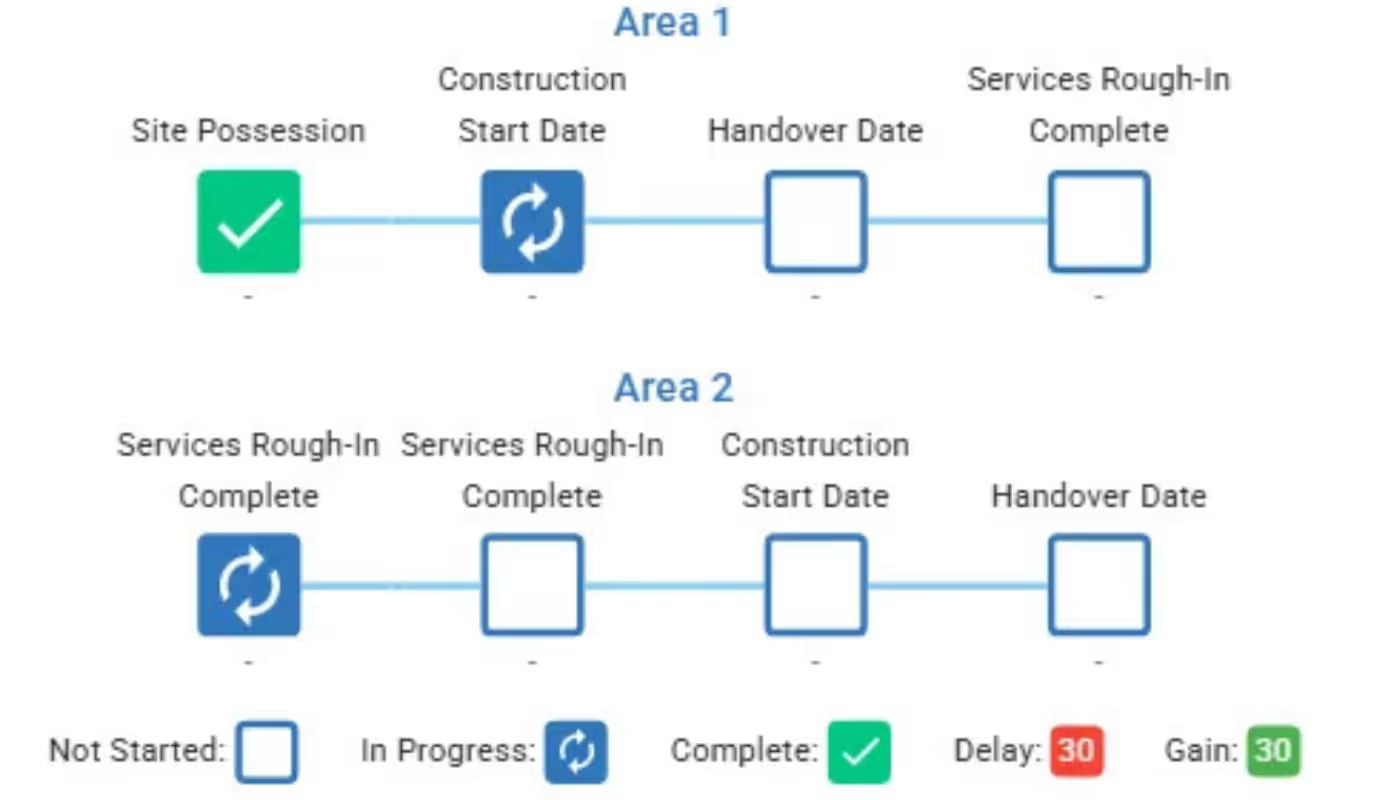
Step 5: Use Mastt’s Phase View to Map Out the Full TI Program
Open the phase view to see all phases stacked on a single timeline. This becomes your top-level view of the program. It shows which areas are active, which are coming up, and which ones are drifting off track. The phase view replaces the messy Gantt charts that often overwhelm landlords and tenants.
Use this view during progress meetings. Drag the tile larger on your dashboard to make it the center of your reporting. Stakeholders get the entire story in seconds because they can see the whole building’s sequence laid out from left to right.
Step 6: Track Delays With Mastt’s Milestone Worm Charts
Milestone worm charts show how planned dates move over time. When a phase falls behind, its line shifts downward or sideways, drawing attention to the issue long before the handover window is threatened. TI projects rely on this kind of clarity because delays in one small tenancy can cascade into the next batch.
Inside Mastt, turn on “one row per phase” to see all phases compared at once. This makes performance differences obvious and helps project managers decide where to add labor, escalate an issue, or push for earlier inspections.
Step 7: Use a Schedule Table to Manage Daily TI Delivery
Use the schedule table as the team’s day-to-day working list. Sort by earliest planned completion date to see what needs action first. Sort by status to highlight overdue milestones. The table shows everything in a compact, practical way: the phase, milestone, planned date, actual date, and progress.
This view is especially helpful when trades are spread across several small tenancies or when you need to quickly check which areas are ready for inspections or handovers.
Step 8: Build a Tenant Improvement Dashboard for Stakeholders in Mastt
Create a dashboard that blends your phase view, worm charts, and schedule table. Add floor plans or tenancy maps to help people understand each area at a glance. Use a comments tile to add short notes about delays, access issues, or approvals. Include photos when a space reaches key milestones like services complete or practical completion.
A good dashboard reduces meeting time because stakeholders no longer need detailed explanations. They can see progress, issues, and next steps in a clean, visual layout.
How a TI Construction Schedule Fits Into the Overall Project Program
A tenant improvement construction schedule sits under the main project program and depends on base building readiness, access rules, and landlord requirements. TI work fills the window between building completion and tenant handover, so both timelines have to stay aligned.
- Follows base building milestones: Tenants can’t start until services, structural work, and access paths are complete and released.
- Depends on confirmed access dates: When a floor or zone becomes available late, every TI milestone shifts with it.
- Matches permit and inspection timing: Local code checks often overlap with base building inspections, so the sequence must stay in sync.
- Relies on landlord approvals: Design reviews, services checks, and inspection windows open only when the building reaches safe working conditions.
- Aligns with the project’s opening plan: Many projects hand over groups of tenants together, which shapes the TI sequence more than the individual fit-out times.
TI schedules often carry more risk than the main program because the work window is tight and tied directly to when spaces become available. A delay in one service, inspection, or floor can shift several TI phases at once.
Who Uses a Tenant Improvement Construction Schedule?
A tenant improvement construction schedule is mainly managed by the project manager or the owner’s representative. They keep the dates accurate, coordinate each phase, and make sure handover commitments stay realistic.
- Project owners: Track overall readiness, confirm handover commitments, and check that the TI work supports the building’s opening plan.
- Project managers: Coordinate trades, adjust dates when work shifts, and keep the multi-tenant program running smoothly.
- Owner’s representatives: Review progress, flag risks, and translate schedule impacts for owners who need clear, reliable updates.
- Landlord teams: Manage access, approve designs, oversee service checks, and confirm the building is ready for each phase to start.
- Tenants and their contractors: Plan fit-out tasks, order long-lead materials, and prepare for inspections and move-in dates.
- General contractors or TI contractors: Run daily delivery, coordinate trades across small spaces, and update milestone status to keep the schedule accurate.
Different groups rely on the schedule for different reasons, but they all depend on a single source of truth. When the schedule is clear and updated, handovers run smoothly, and small delays inside one tenancy don’t spill into the next batch of work.
Common TI Scheduling Problems and How to Avoid Them
The biggest problem in TI scheduling is that each tenancy moves at a different pace while sharing the same handover deadline. One space might wait on access, another on long-lead items, and another on inspections.
Many of these issues show up because small delays are easy to overlook when each tenancy has its own mini timeline. A consistent structure makes the whole program easier to read, and the right tools help you catch movement before it becomes a risk.

What are the Risks of a Poorly Planned TI Construction Schedule
The biggest risk of an inadequately prepared TI schedule is missed handover dates. When updates come late, small slips stay hidden until several spaces are already off-track, making recovery costly and rushed.
- Missed handover dates: Even a minor delay in services or inspections can push a tenancy past its move-in window, creating tension with tenants and landlords.
- Cascading delays across phases: When one area slips, trades get pulled out of order, and the next phase loses its start date, creating a ripple effect across the floor.
- Misalignment with base building readiness: TI work stops when access paths, services, or landlord releases aren’t in place, and the schedule collapses if these dependencies aren’t tracked closely.
- Rework and stop-start progress: Crews return to half-ready spaces, increasing cost and slowing progress in already tight work areas.
- Confusing reporting for owners and landlords: Without a consistent structure, progress updates look unreliable, making it harder for stakeholders to act early.
- Unpredictable permit or inspection timing: When approvals aren’t built in as fixed milestones, teams get caught waiting with no buffer left in the program.
TI work moves fast, and the margin for error is small. A delay in one tenancy rarely stays isolated because trades, inspections, and access are all shared across phases. Strong structure and consistent tracking give teams the visibility they need to prevent one slip from turning into a full-floor problem.
How Mastt Supports Accurate Tenant Improvement Construction Scheduling
Mastt shines in TI work because it gives teams a clear structure for phases, milestones, and updates across many small projects. It replaces scattered spreadsheets with a definitive source of truth that shows how each tenancy is tracking in real time and how delays affect the wider program.
☑️ Phase-based scheduling: Organize tenancies into clean phases so you can compare progress across floors or zones without juggling dozens of timelines.
☑️ Standardized milestone tracking: Use a shared milestone list for every phase, which keeps data consistent and makes reporting far easier.
☑️ Milestone worm charts: See how planned and actual dates shift over time so you can spot slippage early, long before handover windows tighten.
☑️ Baseline vs planned views: Keep your original timeline visible so you can measure shifts accurately instead of overwriting dates each week.
☑️ One-row-per-phase visualization: View all phases stacked together, giving owners, landlords, and PMs a quick read on which areas are moving and which are stalled.
☑️ Schedule table for daily delivery: Sort by phase, date, or status to drive day-to-day coordination and highlight what needs attention next.
☑️ Custom dashboards for stakeholders: Combine charts, tables, floor plans, and photos into one clear view that works for owners, tenants, and contractors.
☑️ Easy data updates: Change a milestone once and see it flow through every chart and dashboard tile without manual formatting or rework.
☑️ Built-in commentary and notes: Add short updates or highlight issues directly in the dashboard to support meetings and reduce long email chains.
💡 Pro Tip: Before adding any dates, set up phases and milestone names exactly the way you want them. Mastt’s automations work best when the foundation is clean, and this one step can save hours of fixing charts and reports later.
Bring Clarity to Every Tenant Improvement Schedule with Mastt
When you structure your tenant improvement construction schedule around clean phases, consistent milestones, and real-time updates, the work becomes easier to manage and more predictable. Mastt brings all of this into one place so teams can track progress without guesswork. It’s a simple way to manage multi-tenant delivery with fewer surprises and smoother handovers.
.avif)
Written by
Doug Vincent
Doug Vincent is the co-founder and CEO of Mastt, the AI capital-project management platform used by governments, Fortune 500 companies, and consultancies across APAC, North America, and MENA. Before founding Mastt in 2019, he spent a decade at RPS delivering more than $2 billion in capital works, including the $2.1B Defence Navy Infrastructure program, and holds a CPSPM certification with the AIPM. He contributes content and speaks on AI in capital project delivery at Mastt.


Contributions by
Ayden Hunter
Ayden Hunter works as an Assistant Project Manager at Engine Room VM, a Sydney property and project management firm. He spent several years working on high-end residential sites across Sydney before moving into project delivery, giving him a hands-on view of how projects come together. At Mastt, he contributes content from an early-career perspective.
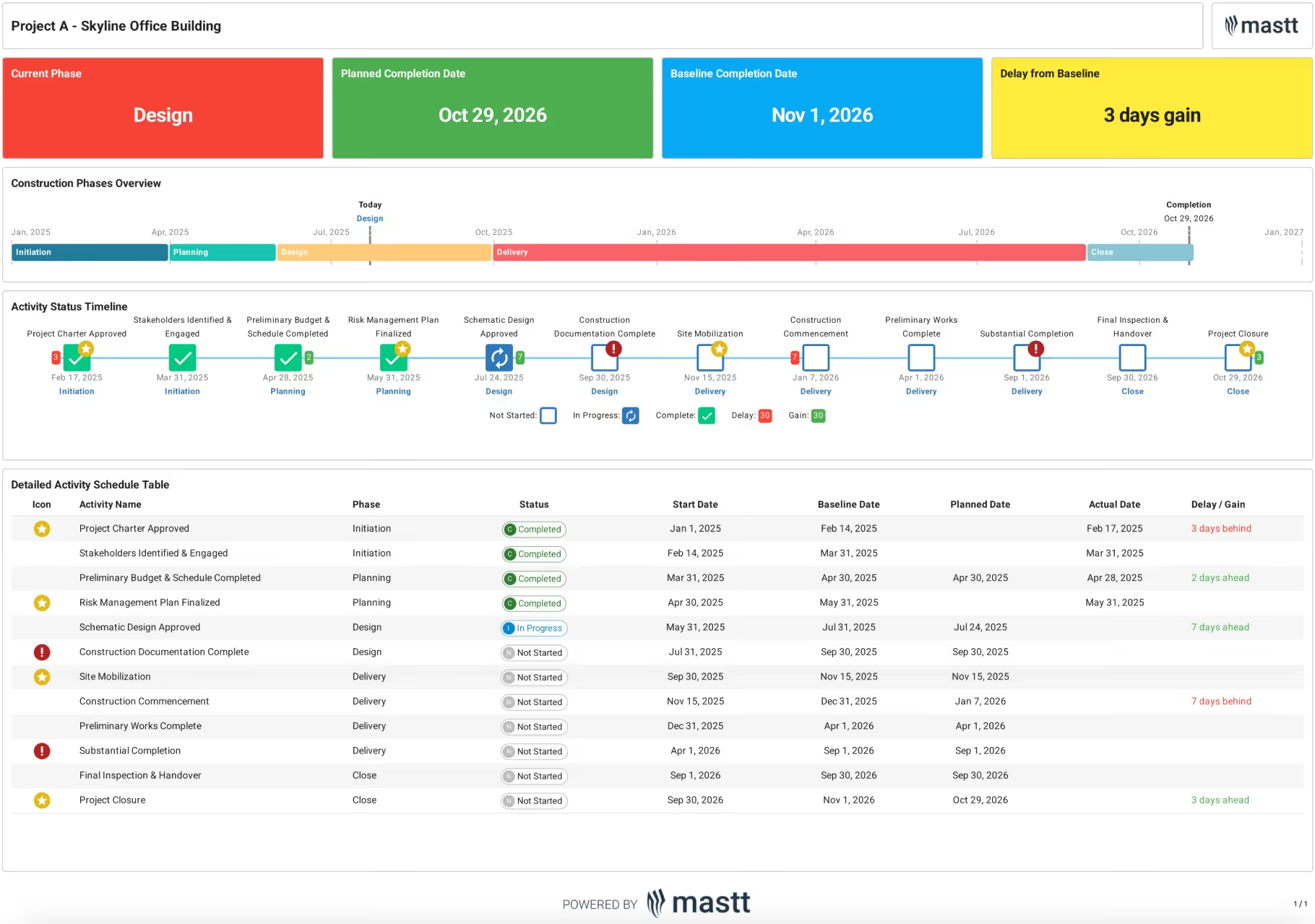
Construction Schedule Template
Use this FREE Construction Schedule Template to plan and outline all phases, milestones, and tasks. Keep your construction project organized and on track from start to finish.

Walk Into Every Meeting With Confidence, Clarity, and Control
No one wants to look unprepared, blindsided, or uncertain in front of stakeholders — but that’s exactly what happens without Mastt.
Start for FreeTrusted by the bold, the brave, and the brilliant across governments, Fortune 500s, and the world’s best in delivering the future