
Post author:
Anna Marie Goco

Construction job costing tracks all project costs. Learn the key terms, cost types, and steps so you can budget better and keep every job on target.
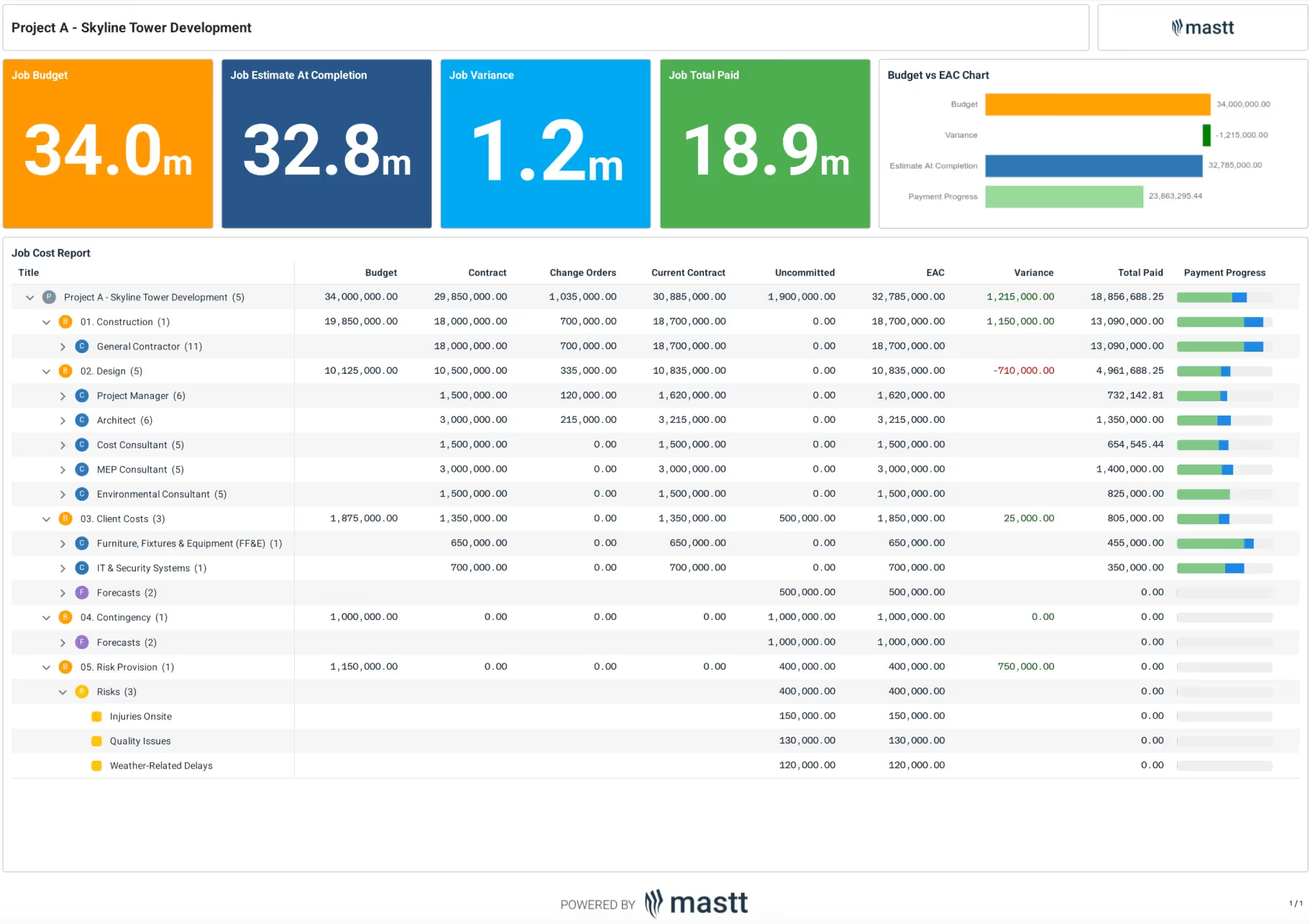
Use this FREE Job Cost Report Template to track and analyze detailed project costs. Compare budgeted and actual expenses by task, phase, or trade to keep your project profitable and on budget.

Construction job costing is the practice of tracking and allocating every cost tied to a specific construction project. It shows where money goes across labor, materials, equipment, subcontractors, and overhead. This gives contractors a clear view of the true cost of the work.
In this guide, you will learn how job costing works and the types of costs involved. You’ll also know how to compare estimated and actual costs and how job cost reports support better decisions.
Construction job costing is the method of tracking and allocating every cost to a specific project. It shows the actual spending behind each job so contractors can see where money is used and how the project is performing financially.
In construction, job costing breaks a project into clear cost categories such as labor, materials, equipment, subcontractors, and overhead. Each cost is tied to a job and a cost code so project teams can follow what was planned, what was spent, and where costs are trending.
Job costing also strengthens construction estimating and billing. When contractors understand what similar jobs have actually cost in the past, they can price new work more accurately and avoid surprises once the project is underway.

Job costing tracks and allocates actual project costs as the work happens. Estimating predicts future costs before the job starts. Both rely on cost categories and cost codes, but they serve different phases in the project life cycle.
Estimating relies on production assumptions and past job data. Job costing records the reality of field labor, materials, equipment use, and subcontractor progress. The tighter the link between the two, the fewer surprises a contractor faces.
For example, if estimating assumes 200 labor hours for concrete, but job costing shows crews regularly spend 260, this gap can quickly erode margins until estimators update future bids.
Construction job costing groups expenses into a few core cost types, including direct costs and indirect costs. These cost types work together to create an accurate job cost structure.
Direct costs tend to move daily, while indirect and overhead costs shape long-term margins. Committed costs also matter because they reflect spending before invoices appear, which keeps budgets grounded in reality.

Contractors rely on a few core job costing terms to track project performance and keep costs organized. These terms appear in job cost reports, cost codes, and project budgets, so teams need to understand what each one means:
These terms help teams read job cost reports with more clarity and catch issues earlier. Once everyone speaks the same “cost language,” project reviews become faster, and cost trends are easier to spot during the job.
Job costing is necessary because it shows the true financial performance of a construction project. It helps teams control spending, protect margins, and keep work aligned with the project budget. Without it, contractors make decisions with incomplete or outdated cost data.
Here are the core reasons why job costing is essential:
These reasons matter because construction costs shift fast. Labor, materials, and equipment can swing the budget within days, not weeks. When teams rely on job costing, they can see these changes early and adjust before the project loses momentum.

The job costing process works by tying every project expense to a cost code and comparing those costs against the original estimate. The process follows a set of steps that keep the job financially visible from day one. Each step below explains what to do and how to do it well.
Start by organizing the job into major cost buckets like labor, materials, equipment, subcontractors, and overhead. This gives the project a clear financial structure. Each category acts as a container for future costs and helps teams see patterns as work progresses.
A useful trick here is to match your categories to how the field builds the project, not to how accounting labels expenses. When job categories reflect the real sequence of work, crews understand where to code costs, and reports become easier to read. This one adjustment can significantly reduce miscoded charges.
Create cost codes that match how work will be performed in the field. Link each code to a task or trade so crews, project managers, and accounting teams can post costs consistently. Clear cost codes tighten reporting and prevent costs from landing in generic buckets that hide cost overruns.
A smart move is to hold a short kickoff meeting with the superintendent and foremen before work starts. Walk through how each major task will be coded. Field teams make faster, cleaner coding decisions when they help shape the structure. This reduces end-of-month cleanup and improves cost accuracy.
Record labor hours daily and tie them to a job and cost code. Include overtime, different rates, and fully burdened labor. This habit helps teams spot productivity gaps early instead of waiting until a whole phase is behind. Labor is often the first place where actual costs drift, so daily visibility matters.
A helpful technique is to review hours in real time, not after payroll closes. If crews are consistently overrunning a task, you can adjust the plan by mid-week. Many project managers also review time entries each afternoon to catch coding errors while crews still remember what they worked on.
Tie every material receipt, delivery ticket, equipment log, and subcontractor billing to the correct cost code. This keeps cost data current and prevents vendors from billing outside the agreed project scope. Track rental start and stop dates closely to avoid paying for idle equipment.
A useful habit is keeping a simple “daily cost inbox” on the jobsite. Foremen drop in tickets and receipts throughout the day, and the office processes them by the next morning. This small step prevents large stacks of paperwork from showing up at month-end and gives project managers a much clearer financial picture.
Apply a fair share of company overhead to the job based on a consistent formula. This may include office staff time, insurance, rent, software, or vehicles. Allocating overhead shows the full cost of the project instead of only direct site expenses.
A common trick is to recalculate overhead rates at least once a year. Many firms set it once and forget it, but business costs change quickly. Updating the rate keeps construction bidding realistic and prevents underpriced work from slipping into the pipeline.
Use this formula to calculate total job cost:
Total Job Cost = Labor + Materials + Subcontractors + Equipment + Overhead + Permits and Fees.
This gives a clear picture of what the job is consuming so far and how it compares to the estimate.
To make this step more helpful, review totals at the cost code level, not just the job level. High-level totals hide problems. Cost code totals reveal which activities are drifting so you can target fixes instead of guessing.
💡 Pro Tip: If the numbers feel off, don’t only recheck the math. Recheck the inputs. Many cost overruns start with weak estimating assumptions. If you want to tighten early assumptions, you can run numbers through a construction cost calculator.
Review cost variances by cost code to spot differences between the estimate and actual spending. Look for early warning signs like rising labor hours or unexpected material waste. Small gaps grow quickly if teams don’t act fast.
A good technique is to mark cost codes as green, yellow, or red based on thresholds you set. Yellow and red items get reviewed immediately. This simple visual system makes job reviews faster and gives everyone a clear sense of priority.
Use job cost summaries, WIP reports, and labor analysis to guide decisions. Review them weekly, not monthly, to stay ahead of cost movement. Adjust crew size, reorder materials, or change workflows when reports show early drift.
A helpful practice is reviewing the top five highest-dollar cost codes each week. These categories move the budget the most. Keeping them tight usually prevents the rest of the job from slipping far off course.
These steps work best when teams focus on clarity and consistency. Even small improvements in daily cost tracking can protect margins and help jobs finish strong.

Construction job costing is shaped by several main factors, including scope clarity, labor productivity, and material pricing. These factors influence how accurate and reliable the numbers are. They also affect both daily cost tracking and long-term project performance, so teams need to watch them closely.
💡Pro Tip: Track your top three cost drivers on every project, usually labor productivity, material pricing, and subcontractor performance. Monitoring just these three items each week often reveals issues long before they hit the job cost report.
The main roles in job costing sit on the contractor’s side of the project, since contractors record, track, and report the job costs that drive the project budget. The main responsibility is shared across project managers, field supervisors, accounting teams, and estimators, each controlling a different part of the cost flow.
💡Pro Tip: Assign one cost code “champion” to each project. This person tracks coding issues daily and flags problems early, which keeps reports accurate and prevents end-of-month corrections.
Many job costing errors come from rushed field data, weak cost code control, or late reviews. These mistakes create inaccurate reports and hide early signs of budget trouble. Addressing them early keeps project costs reliable and easier to manage.
These mistakes often stack on top of each other. A late material ticket can create a coding error, which then affects the cost report and hides a variance. Fixing the flow of field data is usually the fastest way to clean up job costing across the board.
Effective job costing relies on consistent tracking, clear communication, and a better structure around how costs move through a project. The strongest best practices focus on clean data and predictable workflows.
☑️ Align cost codes with the estimate: Build your cost codes straight from the estimating takeoff so field reporting matches the way the job was priced. This prevents gaps between estimating and operations.
☑️ Centralize all job cost data: Keep labor, materials, equipment, and subcontractor information in one system. Centralized data reduces duplicate entries and keeps everyone working from the same numbers.
☑️ Use clear coding guidelines: Give crews simple rules for how to code labor, materials, and equipment. Consistent rules remove guesswork and stop costs from landing in the wrong place.
☑️ Document cost-impacting events: Create a quick, standardized method for noting delays, scope clarifications, or production issues. These notes give context that explains why actual costs shift.
☑️ Track production rates regularly: Measure crew output on high-value tasks to spot slipping productivity early. Production trends often predict cost overruns before they show up in reports.
☑️ Set automated cost thresholds: Use alerts for labor, materials, or committed costs that approach preset limits. Timely warnings help teams act before spending crosses the line.
☑️ Update cost-to-complete frequently: Replace one static forecast with rolling updates. Regular revisions make projections more accurate and reveal risk sooner.
☑️ Review performance at job closeout: Compare estimated and actual costs to refine future pricing, labor allowances, and material quantities. Closeout data improves the next estimate immediately.
💡Pro Tip: Build a simple one-page “job costing playbook” for each project before it starts. Include coding rules, high-risk cost codes, and how the team will handle production tracking. A short guide eliminates confusion and keeps the whole team aligned from day one.

Construction teams rely on a few core reports to understand real-time spending, productivity, and project health. The main report is the job cost summary, supported by detailed reports that compare estimated and actual costs, monitor progress, and forecast the remaining budget.
💡Pro Tip: Pair the WIP report with the labor productivity report during weekly check-ins. WIP shows where the budget sits, but productivity reveals why it’s moving. Using both together gives a clearer, faster path to corrective action.
Job costing software boosts precision by tightening how costs move from the field to the books. It cuts down on hand entry, keeps coding consistent, and gives teams cleaner numbers to work with.
✅ Tracking costs in real time: Labor, materials, equipment, and subcontractor charges update as they happen, so managers aren’t working off old numbers.
✅ Auto-assigning costs to the right cost codes: The system sends each cost to the correct job and code, cutting down on errors that distort reports.
✅ Pulling field data straight into job cost reports: Timecards, delivery slips, and equipment logs sync automatically so reports match the day’s work.
✅ Connecting committed costs to the budget: Open POs, subcontracts, and pending payroll appear early, giving teams a clearer view of what’s left to spend.
✅ Flagging cost overruns early: The system highlights cost codes that exceed thresholds so teams can react before the issue becomes expensive.
✅ Keeping clean documentation and audit trails: Each entry shows who made the change and when, which helps during billing reviews.
✅ Standardizing how projects track cost data: Shared structures and cost codes make job cost reports easier to read and compare across projects.
✅ Updating cost-to-complete forecasts automatically: Real-time spending and production rates feed directly into the forecast, making projections more accurate.
Instead of waiting for paperwork, teams get daily cost updates they can trust. These updates show which cost codes are tightening, which crews need attention, and where the budget may shift next.

Accurate job costing shows contractors where money moves on a job. It highlights drifting cost codes, slipping crews, and rising material costs before they erode margin. For many construction companies, tightening job costing is the moment projects stop “feeling” profitable and start proving it on the books.
Written by
Anna Marie Goco is a Senior Content Producer at Mastt, writing for cost estimators, cost engineers, project managers, and owner's representatives. She has completed TAFE NSW short courses in construction contract administration and project management, and holds Google's Foundations of Digital Marketing and E-commerce certificate.


Contributions from

Cut the stress of showing up unprepared
Start for FreeTrusted by the bold, the brave, and the brilliant to deliver the future