



Understanding the owner’s representative construction fee is important for anyone planning or managing a project. The fee covers hiring a consultant who protects the owner’s interests, keeps the work on track, and helps control the budget and risk throughout the construction process.
In this guide, you’ll learn how these fees work, what they cover, how firms set their prices, and what owners can expect across different project types. You’ll also see how fee models compare, what drives cost, and how to budget for an owner’s representative with confidence.
What is an Owner’s Representative Construction Fee?
The owner’s representative construction fee is the amount an owner pays a consultant to oversee the project on their behalf. The fee covers professional guidance across planning, design, procurement, construction, and closeout. It gives the owner an independent expert who monitors the budget, construction schedule, quality, and contract decisions.
This fee reflects the time, technical knowledge, and risk management required to keep the project moving in the right direction. It also accounts for the owner’s representative tasks that fall outside a contractor’s or construction manager’s scope.
How Much is an Owner’s Representative Fee?
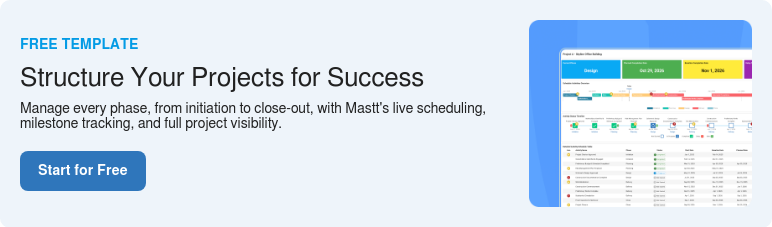
An owner’s representative fee usually falls between 1% and 5% of total construction cost, or an hourly range of $75 to $200+ per hour, depending on project size, scope, and complexity. Large capital projects often sit at the lower end by percentage, while smaller or more complex work lands higher because the workload doesn’t scale evenly with cost.
1. Percentage-Based Fee
Many owners’ representatives charge a percentage because it scales with project scope and duration.
- 1% to 3% for mid-size to large projects with predictable phases
- 3% to 5% for smaller, more complex, or high-risk work
- Lower percentages for large programs because oversight hours don’t increase at the same rate as cost
Percentage fees are typical when the representative supports the project from early planning through turnover.
2. Hourly Rates
Hourly pricing is used when the scope is uncertain or narrow.
- US$75 to US$150 per hour for standard owner’s representative work
- US$150 to US$250+ per hour for senior staff, specialty reviews, or intensive coordination
- Often used for feasibility studies, early advisory work, or limited engagement
Hourly fees give owners flexibility but can lead to cost swings if hours aren’t capped.
3. Lump Sum Fees
A fixed fee works when the scope is clear and the timeline is predictable.
- Calculated from estimated hours × billing rates
- Common for tenant improvements, interior buildouts, or straightforward commercial projects
- May range from US$10,000 to US$50,000+ for small to mid-size work, and far higher for large capital projects
Lump sums offer certainty but require a well-defined scope.
💡Pro Tip: When you see a percentage in a proposal, ask the firm to back it up with an hour-by-hour estimate and the billing rates behind it. If the math does not line up, the fee is either padded or unrealistically low, and both can cause problems once the project is underway.
What Does the Owner’s Representative Fee Cover?
An owner‘s representative fee pays for the expert oversight required to steer a project, protect the owner’s interests, and keep cost, timing, and quality under control. It applies to tasks that require technical skill, coordination, and independent oversight across the project life cycle.
- Pre-construction planning: Defines scope, budget expectations, and early risks so the project starts with clear direction.
- Schedule development and tracking: Builds a workable timeline and monitors progress to prevent delays.
- Budget reviews and cost control: Evaluates estimates, pay applications, and cost changes to keep spending aligned with the plan.
- Construction contract and change order reviews: Checks terms, pricing, and impacts before the owner signs anything.
- Site meetings and inspections: Confirms work aligns with construction drawings, specifications, and expectations.
- Subcontractor coordination: Helps align trades, resolve bottlenecks, and support the GC’s workflow.
- Stakeholder communication: Keeps owners, designers, and contractors aligned throughout the project.
- Closeout support: Manages punch lists, final documentation, and turnover tasks so the project finishes cleanly.
Coverage varies by contract, but most owners’ representative fees reflect the time required to manage these responsibilities. Larger projects or projects with multiple phases often need deeper involvement, which increases the total cost.

5 Standard Pricing Models for Owner’s Representative Fees
Owners’ reps use several pricing models based on project size, scope, and required oversight. These structures affect predictability, flexibility, and the level of involvement they receive. Each model has clear advantages depending on how the project is planned and delivered.
1. Percentage of Total Project Cost
Some owners’ reps charge a percentage of the total construction cost. This model is common on large or long-duration projects where the workload scales with project value. Percentages tend to rise when the project has complex phasing, strict risk controls, or heavy reporting needs. Project owners often prefer this model for projects with unclear scope in the early stages.
Example: City builds a $25 million community center. The owner’s representative charges 3% because the project has long permitting phases, multiple stakeholders, and a two-year schedule. The percentage makes sense because the workload grows as the project expands.
2. Lump Sum Fee
A lump sum payment gives the owner a fixed price for all services defined in the contract. It works best when the scope is clear, and the project has predictable phases. Owner’s representative firms estimate this number by reviewing plans, expected duration, staffing needs, and the level of coordination required.
Example: A developer plans a straightforward 30,000-square-foot office buildout with a fixed schedule. The owner and the representative agree on a $95,000 lump sum based on a defined scope, clear milestones, and predictable coordination needs.
3. Hourly or Time-and-Materials
Hourly pricing is used when the owner needs flexible support or when the scope is too early to define. It's also common for feasibility reviews, due diligence, or short assignments with uncertain workloads. The risk for owners is cost escalation if the project takes longer than planned, so caps or limits are usually added.
Example: A property owner hires an owner’s representative for early feasibility checks and site walk-throughs before committing to a larger project. The representative bills hourly because the owner needs flexible support while exploring options.
4. Cost Per Square Foot
Cost-per-square-foot pricing is occasionally used on interior buildouts and projects with predictable layouts. While simple, it doesn’t always reflect the real workload, especially for projects with heavy coordination, many stakeholders, or complex building systems. It works only when both sides agree that the scope matches the formula.
Example: A retail chain rolls out identical 5,000-square-foot store renovations. The owner’s representative charges a flat fee per square foot because each location follows the same design and coordination pattern.
5. Hybrid Fee Structures
Hybrid models blend approaches. An owner’s representative may charge a lump sum for preconstruction and a percentage or hourly rate for construction. Owners use hybrid structures when phases differ in complexity or when early design work needs tight cost control before later stages ramp up.
Example: A hospital expansion requires heavy pre-construction coordination but predictable construction once designs are finalized. The representative charges a lump sum for pre-construction and a small percentage fee during construction, matching the workload in each phase.

How are Owner’s Representative Fees Calculated?
Owner’s representative fees are computed by reviewing the project’s size, scope, risk level, and duration. Firms estimate how much time and technical oversight the project will require, then match that effort to a pricing model. The final number reflects the workload needed to protect the owner’s budget, schedule, and project goals.
- Project size and total cost: Larger builds require more meetings, reviews, and coordination, which increases the fee.
- Scope of services: Broader involvement, like full lifecycle support, demands more hours and specialist input.
- Project delivery method: Models like design-build, CMAR, or GC-led delivery change how much oversight the representative must provide.
- Complexity and risk profile: Projects with major design challenges, tight sites, or heavy stakeholder input require deeper guidance.
- Schedule length and phasing: Long or multi-phase timelines add more checkpoints, design iterations, and site reviews.
- Reporting and documentation needs: Detailed reports, pay-app reviews, and compliance tracking add administrative time.
- Owner expectations and involvement: If the owner wants close support or frequent updates, the workload increases.
- Local market conditions: Labor rates, travel needs, and regional project demands influence the final price.
Projects with early design uncertainty or complex user groups often require higher assumptions because coordination demands rise as the project develops.
Owner’s Representative Fee Compared to PM and CM Costs
Owner’s representative fees differ from project manager and construction manager costs because each role serves a different purpose and reports to a different party. An owner’s representative protects the owner’s interests, while the contractor’s PM and the CM focus on delivering the work.
Fees differ because each role carries a different workload and serves a different party. The owner’s representative provides independent oversight for the owner. The contractor’s PM is included in the contractor’s price. A construction manager may work for the owner, which places their fee directly in the project budget.
How to Negotiate a Fair Owner’s Representative Fee
A fair owner’s representative fee comes from a clear scope, honest workload expectations, and open discussion about how the representative prices their time. You can negotiate it by making sure the fee matches the actual services needed.
✅ Define the scope clearly: Give the representative a detailed list of tasks so the price reflects real work, not assumptions.
✅ Ask for multiple fee options: Request a lump sum, a percentage, and an hourly estimate so you can compare the differences.
✅ Set caps for hourly work: Add limits for hours per month or per phase to avoid runaway costs.
✅ Align payments with progress: Tie fee milestones to design stages, procurement steps, or construction checkpoints.
✅ Request staffing details: Confirm who will actually be assigned and how many hours each person will contribute.
✅ Clarify escalation conditions: Lock in when and why the fee might change so there are no surprises mid-project.
💡 Pro Tip: Request a phase-by-phase “level of effort” breakdown that lists expected hours, who will perform the work, and why those hours are needed. This single document lets you spot inflated assumptions and expose gaps in coverage. It will also help identify low bids that would almost certainly turn into change orders once construction starts.
Making Sense of the Owner’s Representative Construction Fee
A clear owner’s representative fee helps the owner see what they’re paying for and what support they will get. When the fee matches the real tasks and hours needed, the budget becomes easier to plan, and expectations stay aligned. A solid fee structure gives the owner more control and fewer surprises as the project moves forward.

Written by
Anna Marie Goco
Anna Marie Goco is a Senior Content Producer at Mastt, writing for cost estimators, cost engineers, project managers, and owner's representatives. She has completed TAFE NSW short courses in construction contract administration and project management, and holds Google's Foundations of Digital Marketing and E-commerce certificate.


Contributions by
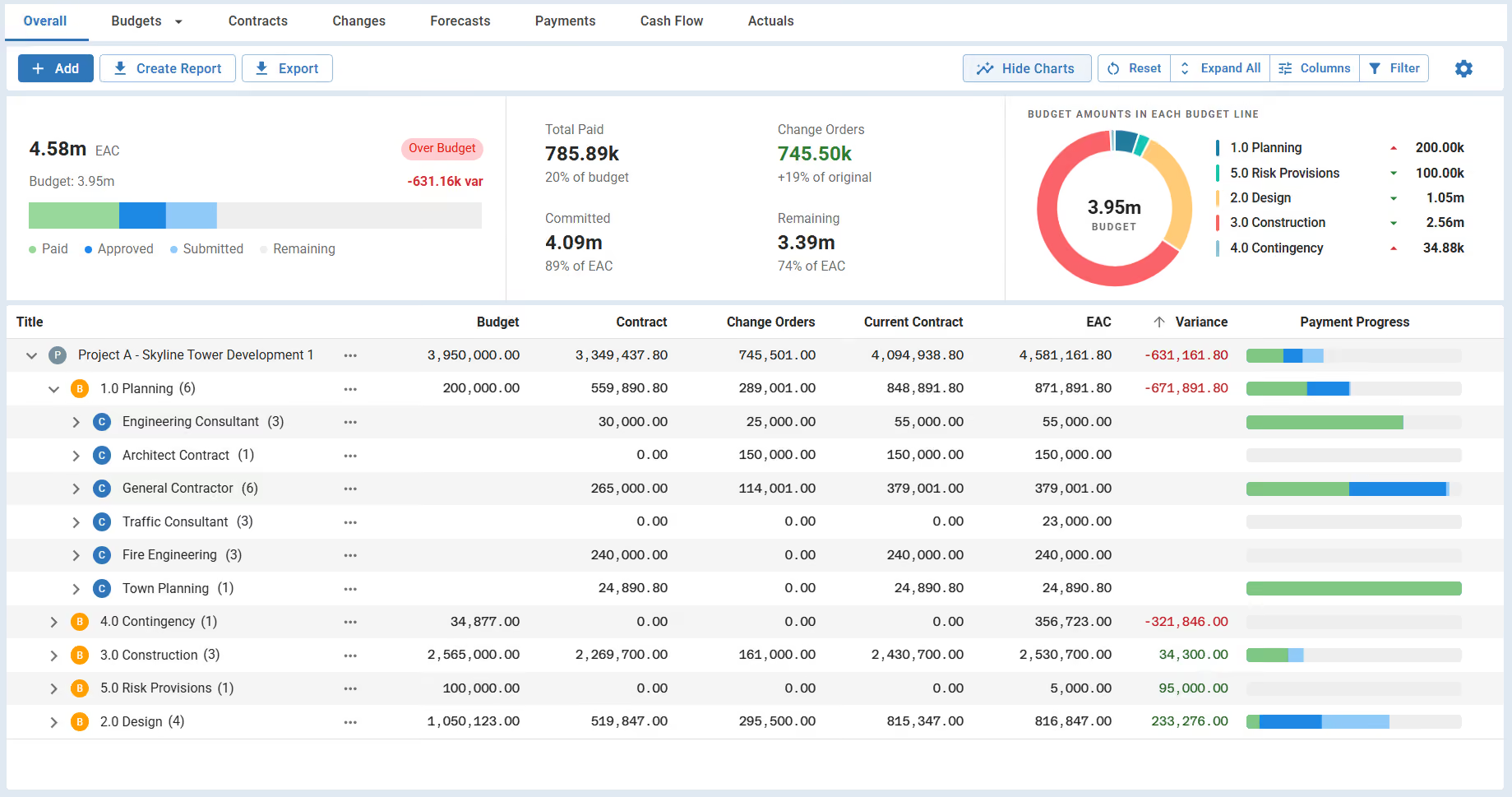
Project Budget Template
Use this FREE Project Budget Template to monitor and manage the financial performance of your capital project or program. Track costs with clarity and control.

Walk Into Every Meeting With Confidence, Clarity, and Control
No one wants to look unprepared, blindsided, or uncertain in front of stakeholders — but that’s exactly what happens without Mastt.
Start for FreeTrusted by the bold, the brave, and the brilliant across governments, Fortune 500s, and the world’s best in delivering the future