
Post author:
Jackson Row

Value engineering helps construction teams improve function, reduce cost and strengthen decisions. Learn the key phases, techniques, and tools that drive better project value.
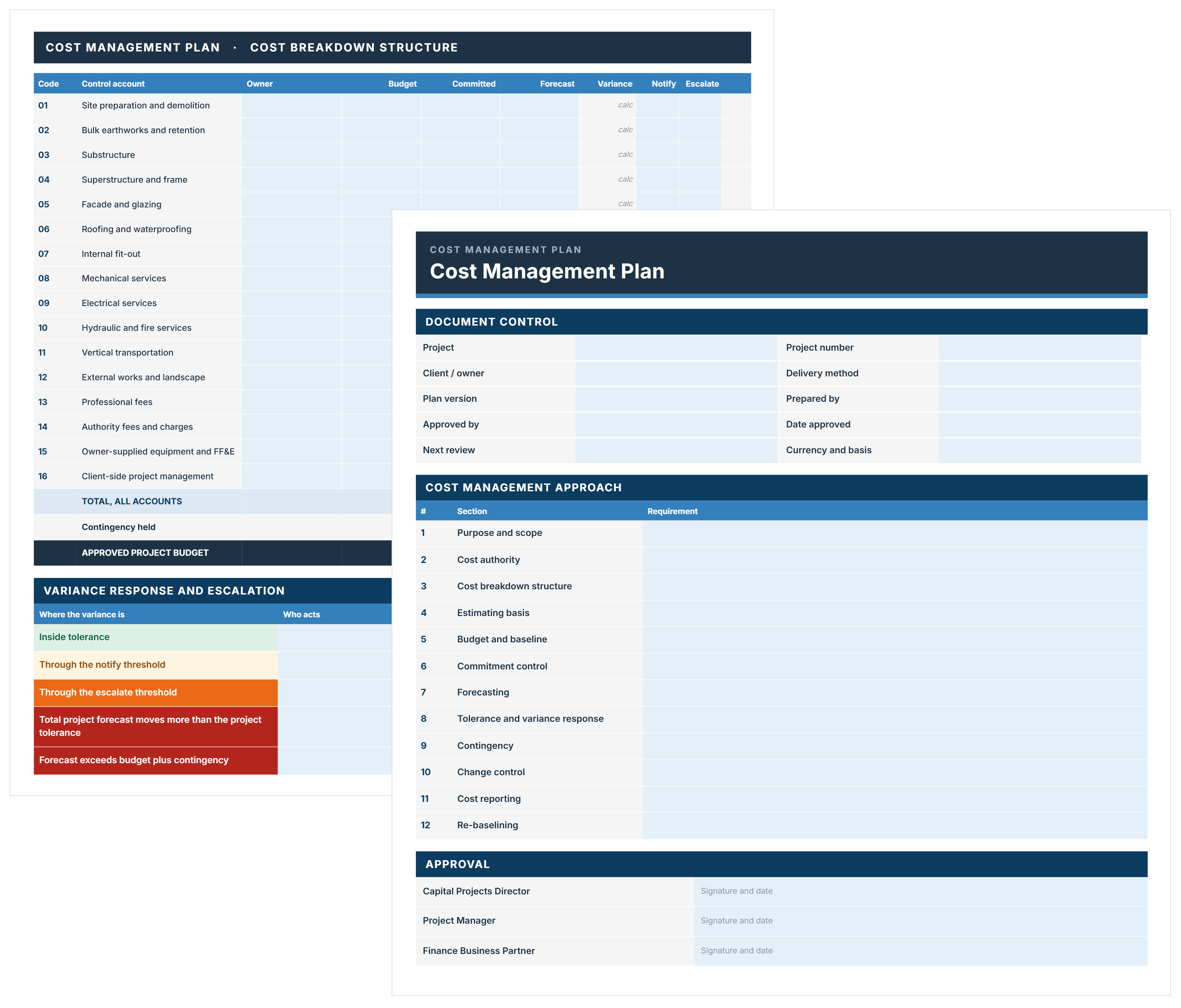
FREE project cost management template in Excel. Set the cost management plan, the control accounts, and the tolerances that trigger escalation, then track against it.

Value engineering is a method for improving project value by balancing cost, function, and long-term performance. Instead of cutting quality, it helps teams find smarter alternatives that meet the same requirements at a lower cost or offer better performance for the same price.
In this guide, you’ll learn how value engineering works, when to use it, and what construction teams evaluate during the process. You’ll also know how to avoid common pitfalls and how tools like AI and BIM support faster, more informed decision-making.
Value engineering (VE) is a structured way to improve project value by comparing the cost, function, and performance of materials, systems, and design options. The goal is to deliver the same required function at a lower cost or improve performance without adding unnecessary cost.
VE is not a shortcut for cheapening the work. Instead, it focuses on finding cost-effective solutions that maintain the level of quality, safety, and performance the project needs. This can include evaluating different materials, rethinking system layouts, or choosing construction methods that are faster or easier to install.
Every option is measured against required performance, safety, and code compliance to make sure the project still meets the owner’s expectations. When done well, the process strengthens early decision-making and gives teams a clearer way to control cost without hurting quality.

Value engineering and value analysis both aim to improve value, but they happen at different points in a project’s life. Value engineering takes place during the design phase and preconstruction to prevent unnecessary cost. Value analysis happens after a product or system is already in use and focuses on improving existing performance or reducing operating costs.
Value engineering prevents issues before they hit the field by helping teams compare alternatives early. Value analysis steps in after the building is functioning and uses real performance data to improve what already exists. Both methods protect value, but they solve different problems at different stages of the project.
Value engineering in construction matters because it helps project teams control cost, protect required function, and make smarter decisions before work reaches the field. It gives owners and project teams a structured way to compare options and choose an alternative solution that delivers the most value for the budget.
For example, a project might replace a specialty interior finish with a comparable stocked product that matches the look and durability. The team lowers cost without affecting quality, showing how early VE choices protect essential design intent while keeping the budget under control.
During value engineering, project teams assess the cost, functionality, performance, and long-term impact of each alternative. The goal is to confirm that an option meets the required function while improving cost, schedule, or durability.
Each factor helps decide whether an alternative is worth presenting to the owner:
💡 Pro Tip: When evaluating alternatives, check how each option affects downstream trades. A small change in one system can shift clearances, routing, or access zones that aren’t obvious in a cost summary.
The value engineering process is organized into six phases that move a team from collecting project information to developing clear, buildable recommendations. Each phase focuses the review on cost, function, and constructability so teams can identify options that truly improve value.
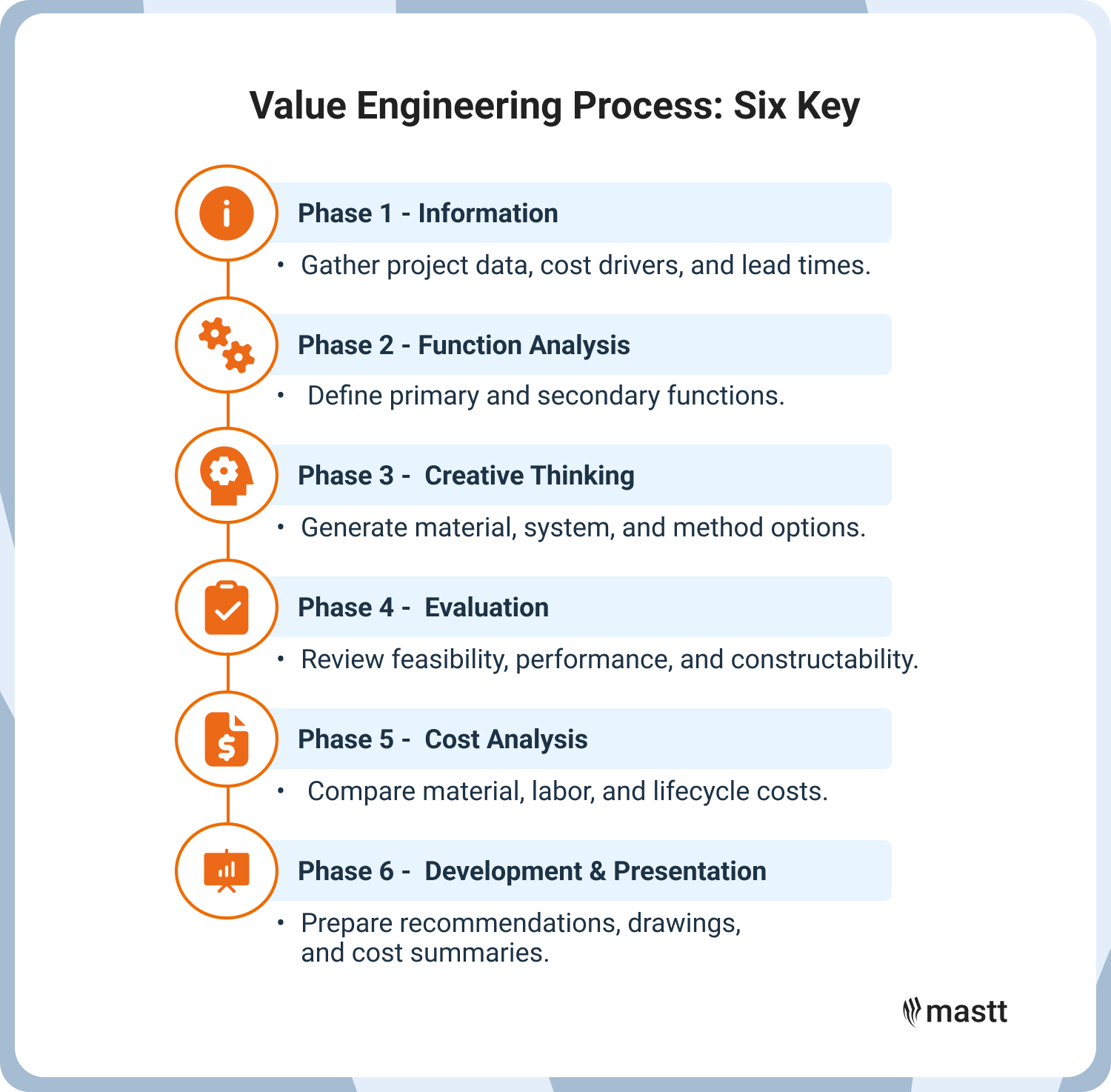
The team gathers all project details before reviewing any alternatives. This includes construction drawings, specifications, cost history, constructability notes, schedule limits, and owner priorities. One helpful practice is to flag the cost drivers early. These are the items that move the budget the most and usually present the best opportunity for savings.
A good trick in this phase is to check actual lead times instead of relying on what was used during estimating. Many VE opportunities disappear once real delivery dates surface. Teams that confirm lead times early avoid proposing options that look great on paper but disrupt the schedule.
Each material or system is evaluated based on what it must do. Teams identify primary functions that keep the building safe and operational and secondary functions that add comfort or convenience. Writing functions in two simple words, like control temperature or support load, helps everyone judge alternatives the same way.
A useful approach is to ask what would happen if the item were removed completely. If the project cannot function without it, the element is primary. This question helps teams avoid cutting something that protects structural performance, energy efficiency, or life safety.
With the required functions defined, the team generates alternatives. Architects, engineers, specialty contractors, and suppliers suggest materials, systems, or methods that deliver the same function. Specialty contractors are especially helpful in this phase because they know real pricing, current stock levels, and practical installation options.
One practical tip is to ask each trade partner to bring three options: a match, a more efficient option, and a cost saver. This keeps brainstorming focused and avoids the endless open-ended list that slows down VE sessions.
Each idea is reviewed for feasibility, risk, performance, cost, and long-term value. Teams study how an alternative affects other systems, such as structural loads, MEP coordination, or energy performance. A quick coordination check with Building Information Modeling (BIM) or even a simple sketch often reveals conflicts that standard reviews miss.
A helpful rule for this phase is to evaluate alternatives based on what changes elsewhere in the building. If a cheaper option saves money but adds time, increases maintenance, or affects another system, the team calls it out early. This reduces surprises and prevents options that solve one problem while creating three more.
The remaining options are priced in detail. Teams compare initial cost, lifecycle cost, maintenance needs, energy use, replacement cycles, and warranty impacts. Estimators use updated unit-cost databases, vendor quotes, and past job data to build an accurate comparison. The more current the data, the more reliable the recommendation.
A good practice here is to price the installation as well as the material. Many VE suggestions fail because they ignore labor savings or added labor. Asking the trade partner for real install hours gives a truer picture of whether the option is actually worth it.
The final recommendations are packaged with drawings, cost breakdowns, pros and cons, and notes on constructability and code compliance. Clear documentation helps the owner compare options quickly instead of sorting through scattered notes or inconsistent formats.
Before presenting options, teams get buy-in from the superintendent and key trades. This prevents the common issue where an approved VE item turns out to be difficult to install or coordinate. When field teams review the options ahead of time, the owner sees only the alternatives that are safe, workable, and ready to build.
Project teams use several recognized techniques, like LCA and Pareto Analysis, to compare alternatives and confirm whether an option truly increases project value. These methods help decide if a different material, a redesigned system, or a new construction method can meet the same function at a better cost.
💡 Pro Tip: When applying these techniques, always pair cost data with installation data from the field. A material may look like a good substitute, but real labor hours often determine whether it’s truly a better option. Asking trade partners for actual install times prevents “paper savings” that disappear once construction starts.
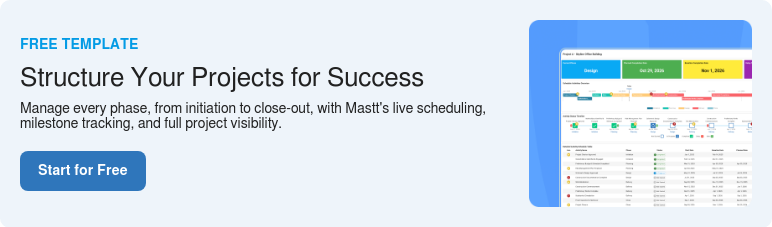
The general contractor usually leads value engineering, but several roles share responsibility for reviewing options and protecting the project’s required function. Here’s who’s responsible for VE and what they contribute:
Strong communication among these groups helps prevent friction, especially between the GC and design team. Early alignment keeps teams from suggesting substitutions that meet the budget but weaken performance or complicate installation.
Value engineering is most effective when used early in design and preconstruction, but it can also help during procurement and construction when conditions change. The key is to apply it before the project locks in cost, schedule, and material choices.
Using VE too late increases risk. Once materials are bought or coordinated in detail, substitutions can trigger redesign, delay permits, or disrupt sequencing. Early reviews protect the budget and schedule while giving the team room to think through alternatives carefully.
Value engineering can easily go off track when teams focus too much on cost or push changes too late in the project. Most challenges come from poor communication, missing information, or substitutions that create new problems for other trades.
Many VE issues happen because teams evaluate options in isolation. Coordination with designers, trade partners, and field supervisors keeps alternatives realistic and prevents choices that add cost or risk during installation.
Effective value engineering depends on clear information, early coordination, and objective evaluation. Teams that follow strong best practices make better decisions and avoid changes that create issues during procurement or construction.
☑️ Define essential functions: Early clarity on non-negotiable requirements helps filter out options that weaken performance or safety.
☑️ Set clear evaluation criteria: Shared priorities on lifecycle cost, durability, schedule, and maintenance keep reviews consistent.
☑️ Conduct focused VE sessions: Short, targeted sessions help teams react quickly to pricing shifts and lead-time changes.
☑️ Incorporate field experience: Superintendent input highlights installation challenges and common coordination issues.
☑️ Designate a VE lead: One point of responsibility improves accountability and communication.
☑️ Confirm warranty and service support: Reliable manufacturers and local service reduce long-term maintenance risk.
☑️ Assess supply chain reliability: Stable production and predictable delivery protect procurement timelines.
☑️ Establish protected systems: Structural, fire-protection, and life-safety elements should remain off-limits for VE.
☑️ Align decisions with key milestones: Some options only work if approved before procurement or coordination deadlines.
☑️ Leverage historical data: Past performance and installation records reveal which substitutions deliver lasting value.
💡 Pro Tip: Build a running “VE library” by saving successful substitutions, cost comparisons, and field notes from every project. Teams that reuse proven ideas cut review time, avoid repeat mistakes, and strengthen their ability to present high-value options quickly.
AI and digital tools strengthen value engineering by giving teams faster comparisons and clearer data. They also give teams better visibility into how each option affects cost, schedule, and long-term performance.
💡 Pro Tip: When using AI tools for VE, always cross-check the top recommendations with real field input. AI can process thousands of options, but superintendents can quickly point out which alternatives don’t work in real installations, saving you from costly assumptions.

Teams are leaning on better data, smarter tools, and more resilient materials to make decisions that hold up over a building’s full life. These trends show where VE is moving next. Several trends are shaping how VE will be practiced over the next decade.
These trends move value engineering away from simple cost cutting and toward optimizing long-term performance, resilience, and cost certainty. Teams that adopt these tools early will be better positioned to manage risk and deliver predictable project outcomes.
Value engineering works best when it becomes part of how teams make decisions. The real advantage comes from using it early, treating it as a structured review, and leaning on accurate data and strong collaboration. When teams approach VE this way, they shape projects that are easier to build, easier to maintain, and more predictable for owners.
Written by
Jackson Row joined Mastt's founding North American team in 2023, implementing the platform for US government agencies and Fortune 500 organizations. He holds a Bachelor of Engineering in civil and mining engineering from UNSW and began his career as a construction cadet on civil projects in Sydney. At Mastt, he contributes articles on payment and client-side project management.


Contributions from

Cut the stress of showing up unprepared
Start for FreeTrusted by the bold, the brave, and the brilliant to deliver the future