


What is an RFI Register?
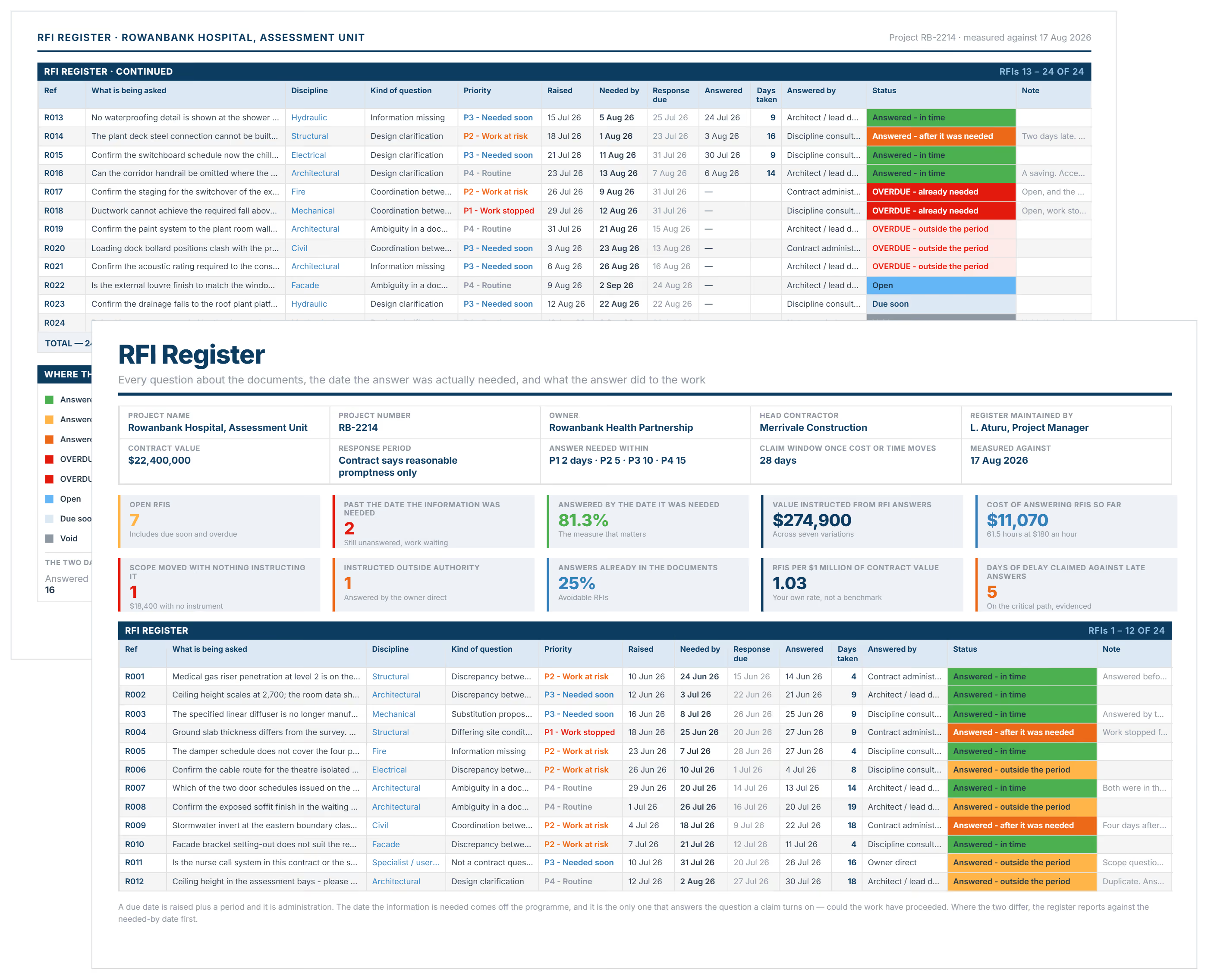
An RFI register is the running log of every Request for Information raised on a project, showing the status of each one and who currently owes a response. It is the record everyone refers to when a question about design intent or contract requirements is still unanswered.
The RFI register is maintained by whoever administers the contract, which on most capital projects means the superintendent, contract administrator or owner's representative.
The same document goes by several names depending on where you work. Australian and British teams call it an RFI register. North American teams call it an RFI log, an RFI tracker or a request for information log. The document is identical.
What to Include in an RFI Register
A construction RFI register with four columns tells you what was asked. One with the right columns tells you what it is going to cost. Every column below is in the Excel template on this page.
Needed by and Response due are two different dates and only one of them matters in a dispute. A response due date is administrative housekeeping. The date the answer was needed by is what ties the RFI to the programme, and it is the date a delay claim turns on.
How to Use This RFI Register Template
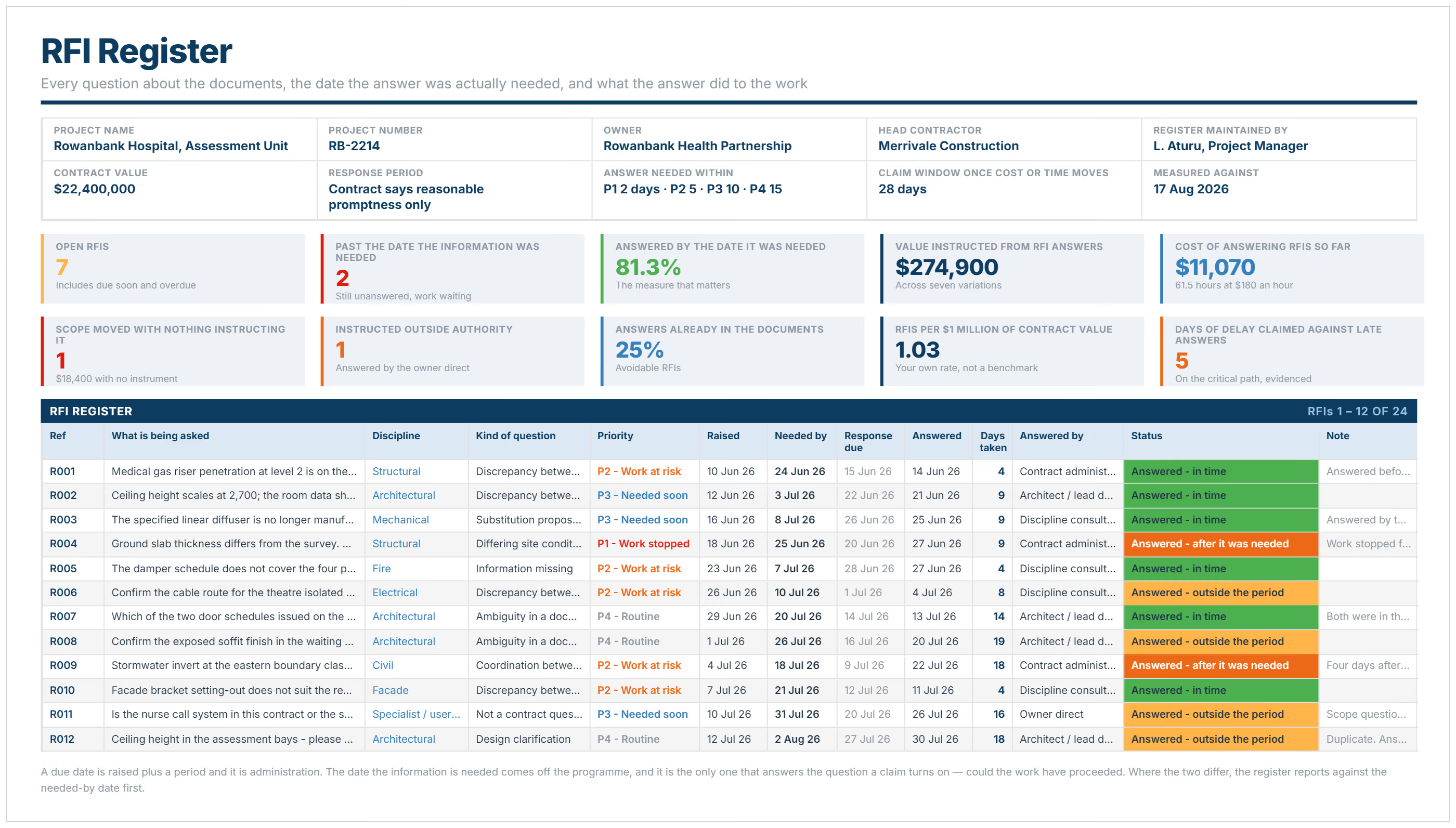
Fill in Setup first, including who may instruct a change under your contract, then log each RFI as it is raised. The workbook flags an answer that changed the work when nobody with authority instructed it.
A worked example runs through every sheet, and the banner clears once you type your own project name on Setup.
- Enter the project, contract, head contractor, contract value and who maintains the register on Setup
- Set the four response periods for P1 to P4, since one rule across a whole register is noise, and record where that period came from
- Name who may instruct a change under your contract, and enter the hourly cost of answering an RFI
- Log each RFI on the register with what is being asked, the discipline, the kind of question and its priority
- Record the date the answer is needed by as well as the response due date, because those are two different things
- On Scope & Cost Impact, say what the answer did, and where it changed the work record the instrument and the role that issued it
- Use the Late Information Record for anything that could not proceed, naming the activity it feeds and whether it sat on the critical path
- Code why each RFI had to be raised on RFI Quality, flagging duplicates and answers that were already in the issued documents
Watch the check column on Scope & Cost Impact. It turns red when an answer moved the scope and no instruction was recorded against it.
RFI Register vs RFI Template: Which One Do You Need?
These are two different documents that work together, and most teams need both.
Use the template to raise the question. Use the register for tracking it through to an answer. If you only keep the forms, you have a folder of individual documents with no way to see which ones are overdue.
Download the Construction RFI Template if you need the form itself.
What an RFI Register Tells You That a Folder of RFIs Cannot
Individual RFIs answer individual questions. The register shows you the patterns, and the patterns are where the money is.
Recurring RFIs against the same drawing package point to a documentation problem rather than a contractor problem. A cluster of unanswered RFIs sitting with the design team is a delay claim being assembled in real time.
RFIs whose answers carry cost impact but no linked variation number are scope changes nobody has priced yet. None of that is visible one RFI at a time. It only appears when every request sits in one place with dates against it.
Related Articles and Templates

Written by
Jackson Row
Jackson Row joined Mastt's founding North American team in 2023, implementing the platform for US government agencies and Fortune 500 organizations. He holds a Bachelor of Engineering in civil and mining engineering from UNSW and began his career as a construction cadet on civil projects in Sydney. At Mastt, he contributes articles on payment and client-side project management.

Free RFI register template in Excel that tracks what was asked, who owes the answer, when the answer is needed by, and whether the response changed the work.

Top Performers Don’t Guess. They Deliver.
Cut the stress of showing up unprepared
Start for FreeTrusted by the bold, the brave, and the brilliant to deliver the future