

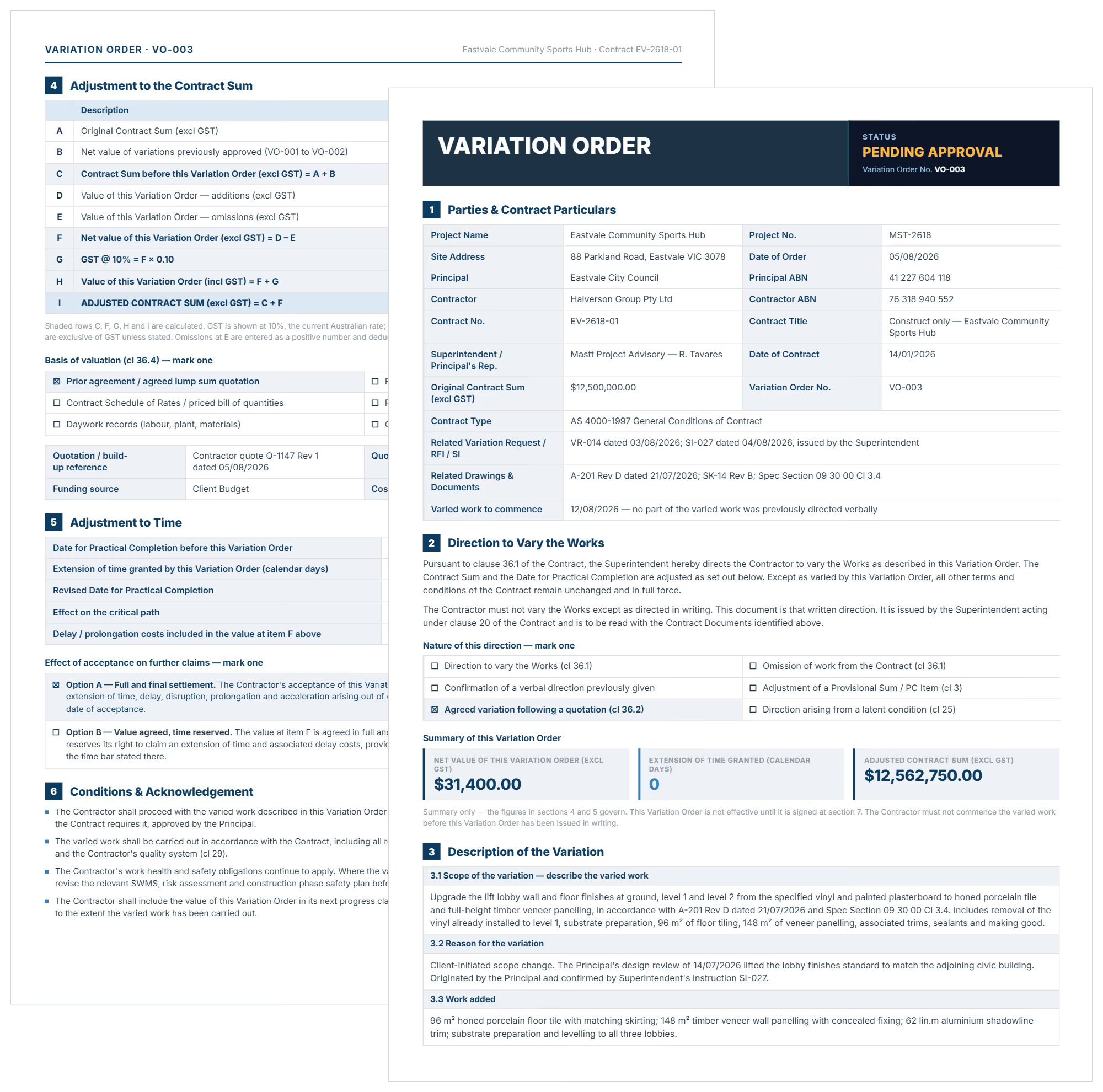

What is a Variation Order Template?
A variation order template is a structured document used to record and approve any change to the original scope, time, or cost of a construction contract. It standardises how variations are proposed, justified, and agreed upon by all project stakeholders.
In construction projects, a variation order serves as an official instruction confirming that work can proceed under revised conditions. Using a consistent template helps maintain a transparent audit trail for each variation, ensuring compliance with contractual and financial obligations.
What’s Included in a Construction Variation Order Template
A variation order form includes all the key details required to document and approve construction variations to a contract. Each section provides transparency over the variation’s purpose, value, and status, ensuring accountability across all parties.
Essential components of variation order templates:
- Project Details: Identify the project name, contract number, and client or principal involved in the variation.
- Variation Number: Assign a unique identifier for easy reference and traceability within the project records.
- Description of Variation: Clearly summarise the change, outlining the affected works, drawings, or specifications.
- Reason for Variation: Explain the cause of the change, such as design revisions, client instructions, or unforeseen conditions.
- Cost Impact: Detail the financial adjustment, including added costs, savings, or allowances impacting the contract sum.
- Time Impact: Specify any effect on project duration, milestones, or completion date, including extensions of time if applicable.
- Approval Section: Provide signature or digital approval lines for contractors, consultants, and clients to formalize acceptance.
- Attachments and References: Include supporting files such as quotations, correspondence, revised drawings, or consultant reports.
💡 Pro Tip: Include a dedicated “Variation Approval” section to confirm agreement before work begins. Early approvals prevent disputes and keep cash flow predictable throughout the project lifecycle.
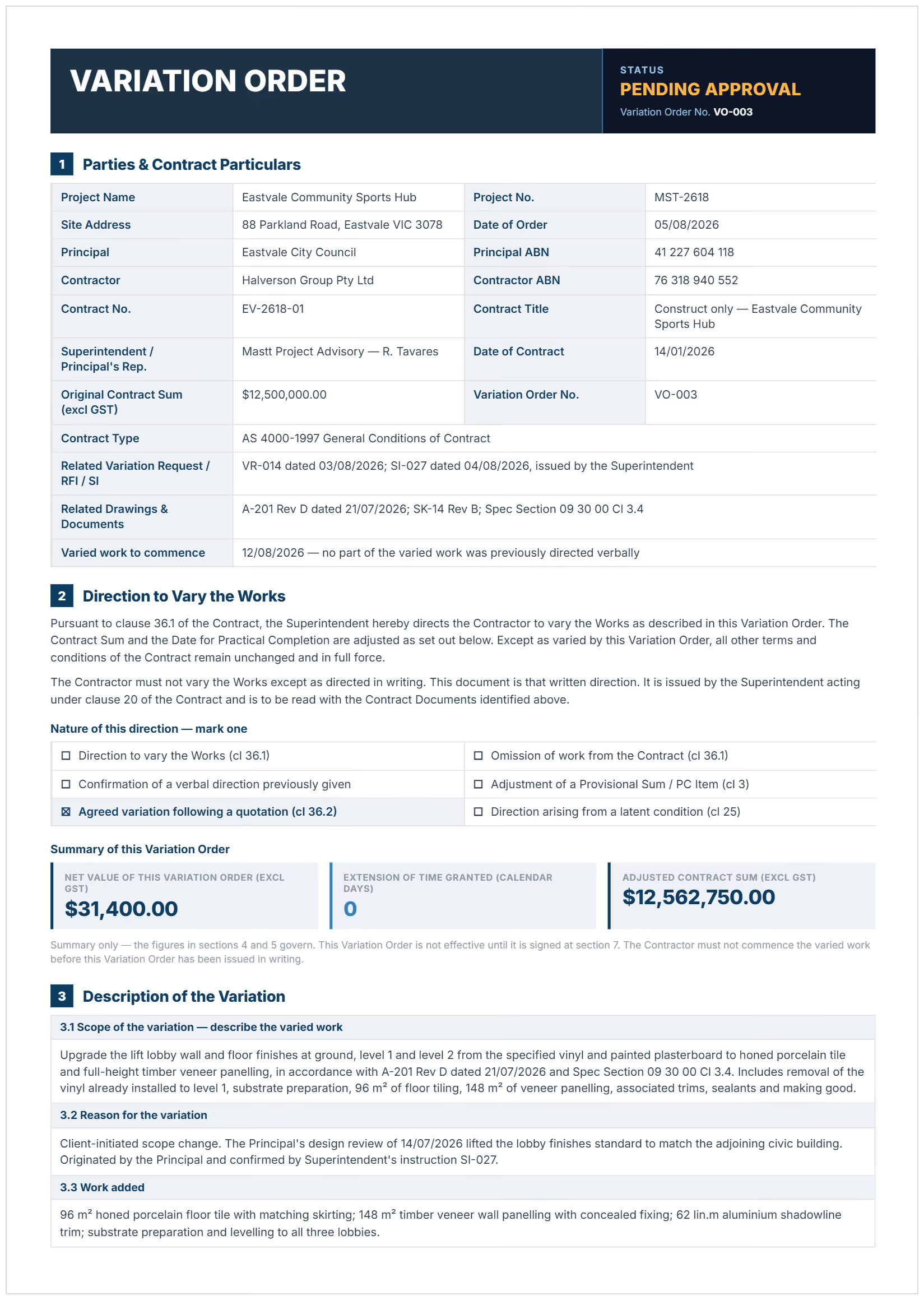
How to Use This Construction Variation Order Template in Word
Fill in the contract particulars in section 1, describe the varied work in section 3, then set the cost and time adjustments in sections 4 and 5. The order takes effect once it is signed by all parties at section 7.
Replace every bracketed placeholder, delete the rows marked EXAMPLE, and check the AS 4000-1997 clause references against your executed contract before issuing.
- Complete section 1 with the project, parties, contract number and the related variation request or site instruction reference
- Describe the scope, the reason, and the work added and omitted in section 3
- Enter additions and omissions in section 4, then tick the valuation basis relied on under clause 36.4
- Set the revised date for practical completion in section 5 and choose Option A or Option B on further claims
- Sign at section 7, list supporting documents at section 8, and log the order on the register at the back
The Option A and Option B choice in section 5 matters more than anything else in the document. Option A settles cost and time in full and final, while Option B agrees the value but reserves the contractor's right to claim an extension of time. Option A comes pre-ticked, so change it if that is not what was agreed.
Why Use a Template for Variation Orders
Using a variation order template ensures that every change to a construction contract is properly documented, approved, and traceable. It provides a structured process for managing cost and scope adjustments, protecting both the client and contractor from misunderstandings or disputes.
Here’s why using a template is essential for efficient variation management:
- Consistency: Keeps every variation order aligned with a single standard, so data remains clear across multiple projects and contractors.
- Contract Compliance: Ensures all proposed changes meet contract terms and conditions, financial controls, and approval requirements before implementation.
- Transparency: Makes it easy to see what changed, why it changed, and who authorized the adjustment.
- Clear Accountability: Documents decision-makers in a formal variation approval form, protecting both client and contractor interests.
- Workflow Efficiency: Reduces manual entry and repetitive formatting.
- Budget Accuracy: Tracks approved and pending variations to prevent cost overruns and keep forecasts accurate.
- Audit Confidence: Produces a complete variation history that can be easily exported, reviewed, or included in project close-out reports.
💡 Pro Tip: Keep a running total of all approved variations. Monitoring cumulative impacts early prevents budget surprises at project completion.
Who Should Use a Project Variation Order Template
A variation approval form is a practical tool for anyone involved in managing, approving, or tracking changes within a construction project. It helps ensure that every variation is reviewed, justified, and formally approved before work begins, minimizing misunderstandings and unplanned costs.
Here’s who benefits most from using a structured template:
✅ Project Owners: Maintain visibility over all contract adjustments, ensuring variations align with the project budget and scope.
✅ Project Managers: Track variation progress, consolidate approvals, and keep all documentation consistent across multiple contracts.
✅ Contract Administrators: Ensure variation approvals follow contract conditions and maintain complete audit trails for compliance.
✅ Contractors: Document scope changes clearly to avoid payment disputes and confirm agreement on revised costs or schedules.
✅ Consultants and Quantity Surveyors: Provide accurate cost analysis, valuation, and reporting for each approved variation.
✅ Client Representatives: Review and validate variation orders before providing variation approval, maintaining accountability on behalf of the project owner.
Assign a dedicated variation register manager within your team to oversee approvals and maintain a live record of all variations in one central system.
Common Problems with Free Downloadable Variation Order Templates
Generic downloadable variation order templates in Word, Excel, or PDF may be useful at first, but they quickly become unreliable as projects grow. Without integration or consistent formatting, they often lead to errors, incomplete details, and noncompliance with contract requirements.
Here are the most common issues teams encounter:
⚠️ Missing essential fields: Many variation order templates in Word lack structured sections for cost breakdowns, time impact, or formal approvals, leading to incomplete documentation.
⚠️ Manual errors: Using variation order templates in Excel or spreadsheets often requires manual calculations and data entry, increasing the chance of mistakes and mismatched totals.
⚠️ Version control issues: When multiple team members edit separate copies of a free variation order template, it becomes difficult to track the latest version or identify approved values.
⚠️ Formatting inconsistencies: Free templates downloaded from the web often have poor formatting or nonstandard clause references, which can create confusion when submitting for approval.
⚠️ Lack of integration: Word and Excel files are disconnected from live project data, meaning updates to budgets, contracts, or forecasts aren’t automatically reflected.
⚠️ Limited audit trail: PDFs and offline forms offer no visibility into who made changes or when the variation was approved, making compliance reviews harder to complete.
💡 Pro Tip: Use Word or PDF templates only as backups. Managing variations through a live system like Mastt guarantees up-to-date financials, audit-ready records, and full approval visibility.
Keep Project Variations Under Control with Mastt
Managing variations doesn’t need to mean chasing spreadsheets or reformatting Word files. With Mastt, every variation order is created directly from live contract data in the Cost Module, ensuring consistency across budgets, forecasts, and approvals.
Generate professional variation approval letters or variation order PDFs in seconds, complete with all the required details for client submission or internal review. Each document is securely stored, linked to its contract, and ready for audit at any time.
👉 Create your next variation order in Mastt and simplify every step from approval to delivery.

Written by
Jackson Row
Jackson Row joined Mastt's founding North American team in 2023, implementing the platform for US government agencies and Fortune 500 organizations. He holds a Bachelor of Engineering in civil and mining engineering from UNSW and began his career as a construction cadet on civil projects in Sydney. At Mastt, he contributes articles on payment and client-side project management.

Use this variation order template to manage contract variations, control budget impacts, document scope changes, and streamline approval workflows across your construction projects.

Top Performers Don’t Guess. They Deliver.
Cut the stress of showing up unprepared
Start for FreeTrusted by the bold, the brave, and the brilliant to deliver the future