

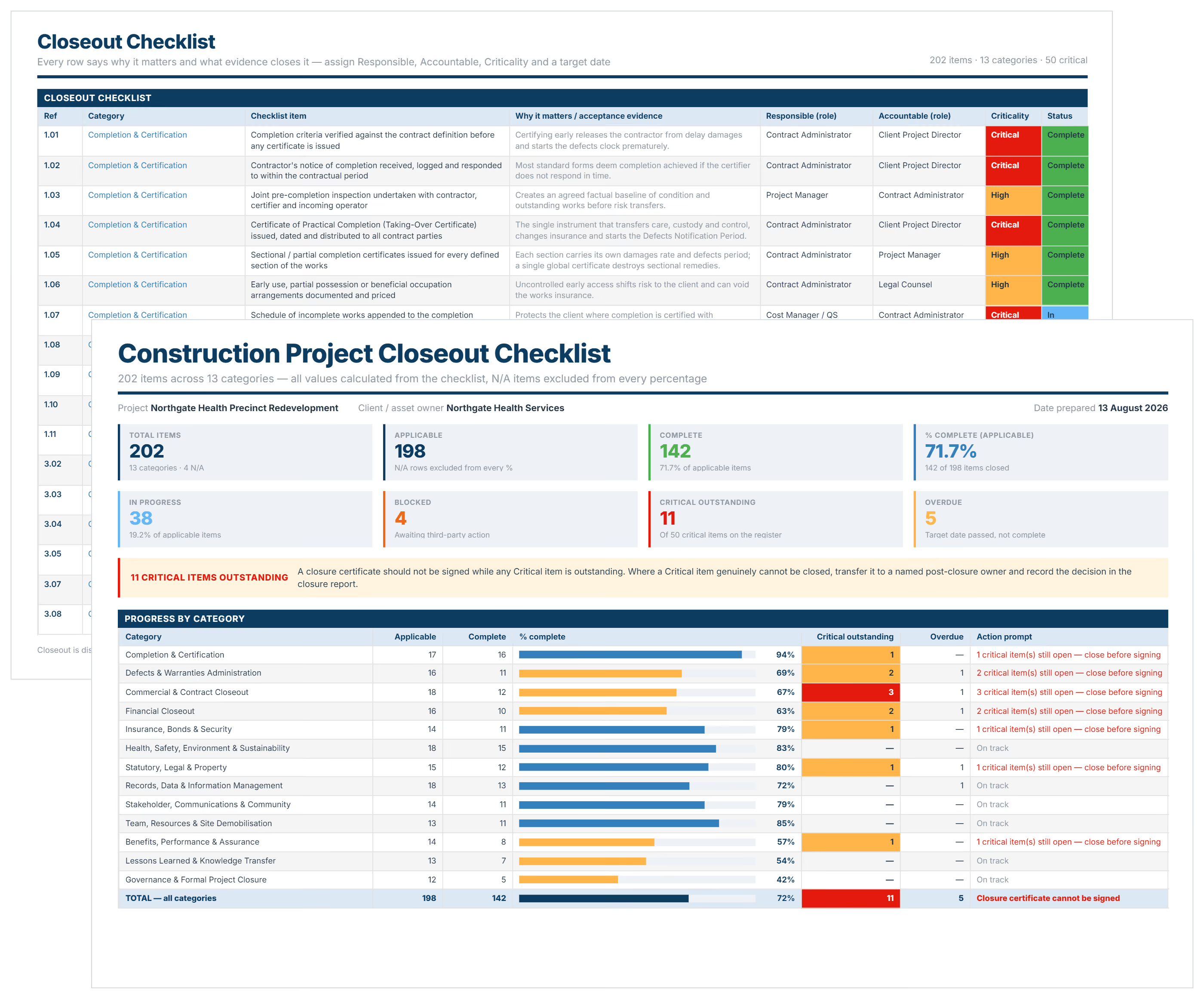

What is a Construction Project Closeout Checklist?
A construction project closeout checklist is a structured document listing all tasks required to complete a project. It tracks documentation, inspections, punch list items, and administrative requirements from substantial completion through final payment.
The checklist ensures general contractors and project managers capture every deliverable before handover. Items include as-built drawings, Operation and Maintenance (O&M) manuals, lien waivers, warranties, and commissioning reports.
Without systematic tracking, critical documents get lost, delaying retainage release and final acceptance.
What's Included in Project Closeout Templates?
Project closeout templates contain the essential tasks and documentation requirements for completing construction projects. Each section organizes deliverables contractors must provide before owners release final payment and retained funds.
Standard components in project closeout checklists include:
- Punch List Items: Remaining deficiencies identified during final inspection that contractors must correct before achieving final completion.
- As-Built Drawings: Record drawings showing actual construction conditions, including field changes and modifications made during the project.
- O&M Manuals: Operation and maintenance documentation for installed equipment, systems, and materials provided to building operators.
- Lien Waivers: Conditional and unconditional waivers from contractors, subcontractors, and suppliers confirming payment receipt and waiving lien rights.
- Warranties and Guarantees: Manufacturer warranties, contractor guarantees, and warranty start dates for materials, equipment, and workmanship.
- Final Inspections: Building department approvals, Certificate of Occupancy, fire marshal sign-offs, and code compliance verifications.
- Commissioning Reports: Testing documentation for HVAC, electrical, plumbing, and specialty systems confirming operational readiness per contract specifications.
- Financial Closeout: Final payment application, retainage release request, change order reconciliation, and cost documentation for project accounting.
- Insurance Certificates: Updated coverage documentation including general liability, workers compensation, and professional indemnity through warranty periods.
💡 Pro Tip: Start your closeout checklist at project kickoff, not substantial completion. Track submittal approvals and warranties as they arrive throughout construction instead of scrambling during final weeks.
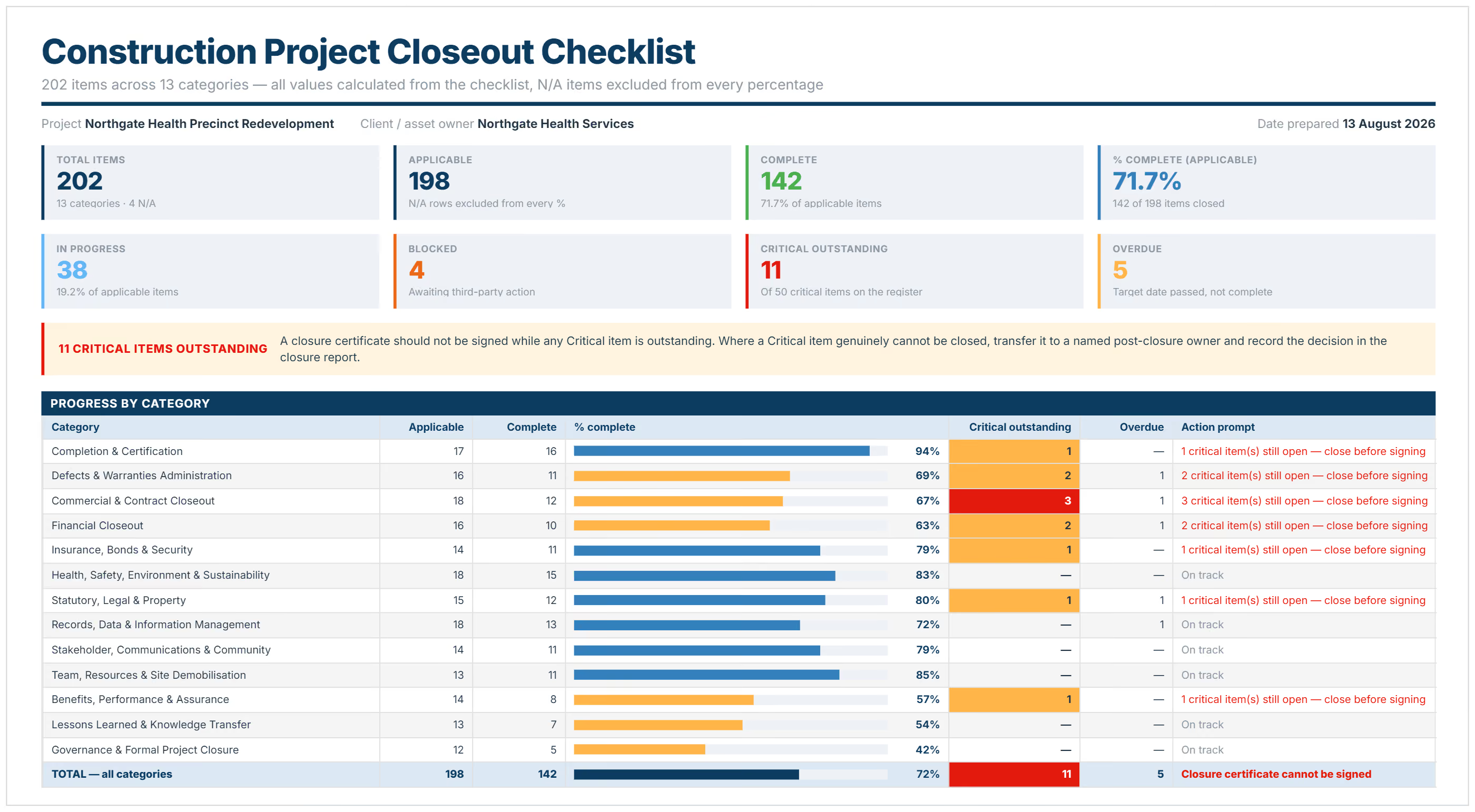
Why Use a Checklist for Construction Closeout?
A construction closeout checklists prevents the documentation gaps that delay final payment and trap retainage for months. Systematic tracking ensures contractors submit every required deliverable before requesting release of withheld funds.
Closeout checklists protect project completion because they:
- Accelerate retainage release: Complete documentation packages submitted with final payment applications prevent owner delays and speed cash flow.
- Prevent overlooked deliverables: Structured lists catch missing warranties, certificates, or manuals that otherwise get forgotten during site demobilization.
- Maintain contract compliance: Checklists verify all specifications, submittals, and testing requirements were fulfilled as contractually obligated.
- Reduce payment disputes: Documentation proving completion prevents owners from withholding final payment over ambiguous or missing closeout items.
- Protect warranty rights: Timely submission of manufacturer documentation ensures warranty periods start correctly and coverage remains valid.
- Support future maintenance: Complete O&M manuals and as-builts delivered to owners prevent costly callbacks when building systems require service.
- Create audit trails: Documented completion of all tasks protects contractors during disputes or when proving contract fulfillment years later.
- Coordinate team responsibilities: Clear task assignments ensure subcontractors, consultants, and suppliers know their specific closeout obligations.
Teams using closeout checklists complete financial closeout 40% faster than those tracking tasks informally. The difference lies in catching missing items early rather than discovering gaps after requesting final payment.
How to Use a Construction Closeout Checklist
Using a construction project closeout checklist requires distributing it to all project stakeholders early. Teams review the list at substantial completion walkthroughs, assigning specific tasks with deadlines before final payment requests.
Follow these steps to complete closeout systematically:
- Distribute checklist at project start: Share the complete list with subcontractors and consultants during preconstruction so they know deliverable expectations.
- Update during construction: Mark items complete as they occur, such as warranty receipts, approved submittals, and equipment commissioning.
- Conduct substantial completion walkthrough: Inspect the project with owners and architects, documenting all punch list items requiring correction.
- Assign task ownership: Designate specific team members responsible for obtaining lien waivers, assembling O&M manuals, and coordinating inspections.
- Set completion deadlines: Establish target dates for each deliverable, working backward from the desired final payment date.
- Track progress weekly: Review checklist status in project meetings, escalating delayed items that threaten payment schedules.
- Collect subcontractor documentation: Gather warranties, test reports, and waivers from all trades before they demobilize from the site.
- Verify building department approvals: Confirm all required inspections passed and the Certificate of Occupancy was issued.
- Compile final documentation package: Organize all deliverables into the format specified in contract documents for owner submission.
- Complete punch list work: Finish all deficiency corrections, obtain owner verification, and document completion dates.
- Submit final payment application: Request retainage release only after confirming all checklist items are complete and properly documented.
- Archive project records: Store copies of all closeout documentation for warranty administration and potential future disputes.
💡 Pro Tip: Pro Tip: Use a dedicated punch list template to track deficiency corrections systematically. Separate punch list documentation prevents disputes over completed work and accelerates final acceptance.
Who Should Use a Project Closeout Checklist?
Project closeout checklists are essential for construction professionals managing the final phase of delivery.
✅ General Contractor: Coordinate all closeout deliverables from subcontractors, manage punch list completion, and submit final documentation packages to owners.
✅ Project Manager: Track closeout progress across multiple trades, verify compliance with contract requirements, and maintain delivery schedules.
✅ Construction Superintendent: Oversee punch list corrections, coordinate final inspections, and ensure site cleanup before project handover.
✅ Subcontractor: Submit trade-specific warranties, test reports, and lien waivers to general contractors before demobilizing from projects.
✅ Project Owner: Review contractor submissions against contract requirements, verify deliverable completeness, and approve final payment applications.
✅ Contract Administrator: Process final payments, verify lien waiver compliance, manage retainage release, and maintain closeout documentation.
✅ Construction Accountant: Reconcile final costs, process retention releases, close project accounts, and archive financial records.
✅ Facility Manager: Receive O&M manuals, as-built drawings, and warranty documentation needed for building operations and maintenance.
When to Use a Closeout Checklist for Construction Projects
Construction closeout checklists should be deployed at project commencement and updated continuously through delivery. Early implementation prevents the scramble that occurs when teams discover missing documentation during final payment requests.
Deploy closeout checklists during these critical phases:
- Project Initiation: Establish the complete deliverables list during contract review so all parties understand closeout obligations from day one.
- Preconstruction Planning: Review requirements with subcontractors during mobilization, clarifying their specific documentation responsibilities before work begins.
- Mid-Construction: Update checklist status as warranties arrive, submittals get approved, and commissioning activities occur throughout the building process.
- Substantial Completion: Conduct final walkthroughs using the checklist to identify punch list items and confirm deliverable readiness.
- Final Completion: Verify all punch list corrections were made and all documentation was submitted before requesting retainage release.
- Financial Closeout: Process final payment applications only after confirming every checklist item shows completion and proper documentation.
- Warranty Period: Track post-completion obligations like follow-up inspections, seasonal commissioning, and warranty claim processing.
💡 Pro Tip: Schedule a "closeout readiness meeting" 60 days before substantial completion. Review checklist status with all trades, identifying missing items while you still have leverage before final payment.
Best Practices for Closeout Checklist Management
Effective closeout management requires disciplined tracking from project start through final acceptance. These practices prevent the documentation gaps and coordination failures that delay retainage release and damage contractor cash flow.
☑️ Assign a closeout coordinator early: Designate one person responsible for checklist maintenance, preventing diffused accountability where critical tasks fall through cracks.
☑️ Integrate with payment schedules: Withhold subcontractor retainage until their closeout items are complete, creating financial motivation for timely documentation.
☑️ Track submittal approvals continuously: Log warranty receipts and approved shop drawings when they occur, not months later during closeout scrambles.
☑️ Require monthly updates: Request project status reports from all trades showing progress on their assigned deliverables.
☑️ Build buffer time: Set internal deadlines 30 days before contractual due dates, accommodating inevitable delays from slow-responding subcontractors.
☑️ Verify before demobilization: Inspect all subcontractor documentation before releasing them from projects, preventing difficult collection after they leave.
☑️ Standardize formats: Provide templates for O&M manuals and warranty logs so submissions arrive in consistent, organized formats.
☑️ Document completion dates: Record when each task was finished, creating defensible proof of timely compliance during payment disputes.
👉 Generate your construction project closeout checklist with Mastt's AI and receive final payment without delays or disputes.
.avif)
Written by
Doug Vincent
Doug Vincent is the co-founder and CEO of Mastt, the AI capital-project management platform used by governments, Fortune 500 companies, and consultancies across APAC, North America, and MENA. Before founding Mastt in 2019, he spent a decade at RPS delivering more than $2 billion in capital works, including the $2.1B Defence Navy Infrastructure program, and holds a CPSPM certification with the AIPM. He contributes content and speaks on AI in capital project delivery at Mastt.

Use this construction project closeout checklist to organize closeout documents and prevent payment delays. Ensure punch lists, lien waivers, and as-builts reach owners before requesting retainage.

Top Performers Don’t Guess. They Deliver.
Cut the stress of showing up unprepared
Start for FreeTrusted by the bold, the brave, and the brilliant to deliver the future