





FF&E in construction refers to all the furniture, fixtures, and equipment needed to make a completed building ready for use. Although these items often sit outside the main construction contract, they can still affect the budget, design, schedule, and opening date.
Getting FF&E right means knowing what counts as FF&E, who owns each item, and what the schedule must track. It also means managing procurement, lead times, installation, medical equipment planning, and handover so the building can open and operate as intended.
What Is FF&E in Construction?
FF&E in construction stands for Furniture, Fixtures, and Equipment. It is a project scope category covering the items needed to furnish, equip, and complete the fitout of a facility so it is ready for use. These items often sit outside the main construction contract, although some connect to building services or require contractor support.
Furniture and fixtures generally cover movable items used within a space, while equipment includes the operational and technical assets needed to run it. Still, an item is not classified as FF&E solely because it is movable. Its classification is defined by the construction contract, specifications, and FF&E schedule.
How Are FF&E Items Classified?
Project teams may classify FF&E as fixed or loose based on how each item relates to the building. In healthcare construction projects, for example, major medical equipment may be tracked separately because it brings greater technical, procurement, and commissioning demands.
These labels help assign responsibilities, but they are not universal and often overlap. The contract and FF&E schedule should define how each classification applies and who is responsible for each item.

What Items Are Included in an FF&E Package?
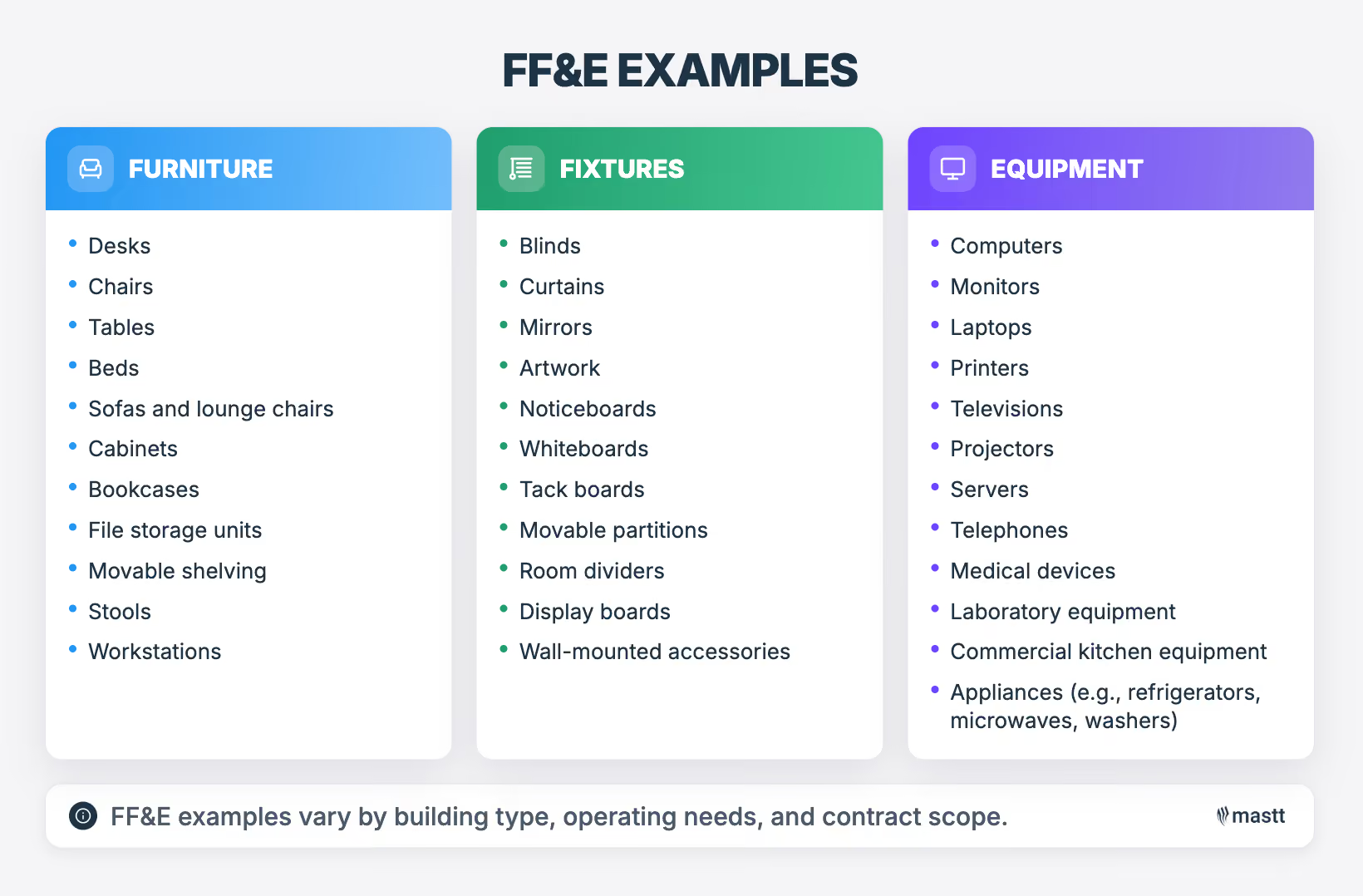
An FF&E package may include furniture, room fittings, technology, appliances, specialist equipment, and everyday accessories. The final list depends on how each space will be used, along with the building type, owner standards, tenant needs, existing assets, and agreed scope.
Specific examples of FF&E fall into the following categories:
An office may focus on workstations and meeting-room technology. A hospital may need patient furniture, clinical devices, and department-specific medical equipment. The package may also cover reused assets, tenant-supplied items, and equipment bought through existing supplier agreements.
What Does Not Count as FF&E?
Items that are permanently built into the property do not count as FF&E. They are typically included in the base building or project scope, installed during the main build, and intended to remain in place for the life of the structure.
Common examples of items that are not counted as FF&E include:
- Built-in cabinets and fixed casework
- Toilets, sinks, faucets, and other plumbing fixtures
- Hardwired lights and electrical fittings
- Air conditioning and ventilation equipment
- Doors, frames, and fixed walls
- Permanent floor, wall, and ceiling finishes
- Beams, columns, and other structural parts
- Fixed power, data, water, gas, and fire services
Unlike FF&E, which can be moved, replaced, or upgraded without major work, these elements are fixed components of the building itself. The difference can be confusing, but the way an item is installed usually helps determine where it belongs.
For instance, a freestanding refrigerator may count as FF&E, while a built-in unit may form part of the joinery package. A table lamp may be FF&E, while a hardwired light will usually sit within the electrical scope. Movable shelving may be FF&E, while built-in shelving may form part of the fixed fit-out.
Why Does FF&E Matter to Project Owners and Project Managers?
FF&E is important because it determines whether a completed building can operate as intended from day one. When not carefully planned, costs can escalate, and procurement timelines can slip. These challenges often extend the gap between practical completion and the point at which the facility is truly ready for use.
Key areas where FF&E impacts project outcomes include:
- Total project cost: FF&E may sit outside the main construction contract, but it still requires funding within the overall project budget.
- Opening date: Late equipment or furniture can delay occupancy even when the building work is complete.
- Space functionality: Missing or unsuitable items can prevent a room from supporting its intended use.
- Operational readiness: Equipment may need installation, testing, and acceptance before staff can begin using the space.
- Long-term asset control: Clear records help the owner manage warranties, maintenance, replacement dates, and future upgrades.
For project owners and project managers, the main challenge is making sure FF&E does not become an afterthought. It needs to be planned alongside the design, budget, and program so the facility can open and operate as intended.

Who Is Responsible for FF&E in Construction?
FF&E responsibilities are shared across the owner, project team, contractor, suppliers, and end users. The contract and FF&E schedule should state who specifies, approves, buys, installs, tests, and accepts each item.
The following parties usually have a role in managing the FF&E package:
- Project owner: Defines the operating needs, approves the budget, authorizes purchases, and accepts the completed FF&E package.
- Project manager or owner’s representative: Coordinates the parties, manages approvals, tracks costs and lead times, and keeps the FF&E schedule current.
- Architect or interior designer: Prepares layouts, specifications, finishes, and room information so each item fits the approved design.
- Equipment planner or specialist consultant: Reviews technical equipment, supplier data, building connections, installation needs, and commissioning requirements.
- Contractor: Provides access, supports, power, data, plumbing, protection, positioning, or installation where the contract assigns those duties.
- Supplier or manufacturer: Provides product data, delivery updates, specialist installation, testing, warranties, and staff training where required.
- Operator, tenant, or end user: Confirms how the space will be used and checks that the selected items meet daily operating needs.
- Facilities team: Reviews maintenance needs, asset information, spare parts, warranties, and long-term replacement requirements.
In my experience, fixed equipment is more likely to sit with the contractor, while loose and major medical equipment usually remains with the client. The contractor may still provide the infrastructure or move the equipment into position, so those duties must be assigned item by item.
What Should an FF&E Schedule Include?
An FF&E schedule should record the information needed to design, buy, deliver, install, and hand over every item. It should also make responsibility clear at each stage, especially when the owner and contractor manage different parts of the work.
The exact fields will vary by project, but a practical schedule should include the following:
The most important entries are the procurement and installation responsibilities. We use the FF&E schedule to show who buys each item and who installs it, since those duties often fall to different parties.
How Does FF&E Procurement Work?
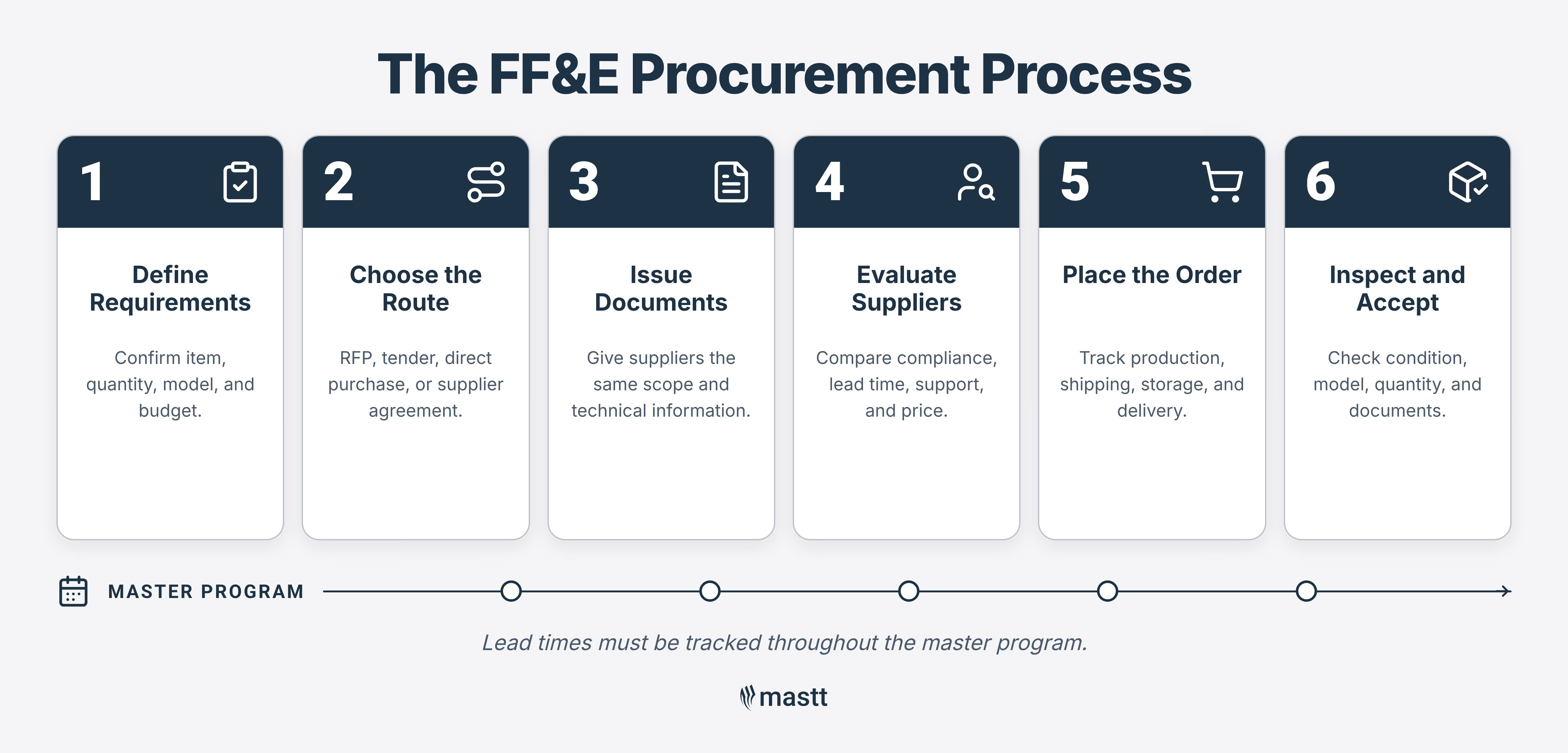
FF&E procurement starts once the project team has confirmed what it needs, when each item is required, and who will buy it. The process then covers market engagement, supplier selection, ordering, delivery tracking, inspection, and final acceptance.
Step 1: Confirm the FF&E requirements
Finalize the item description, quantity, approved model, performance needs, budget, and required delivery date. The project team should also confirm any installation, service, access, and commissioning requirements before approaching suppliers.
On specialist healthcare projects, I engage the operator or tenant early to confirm the equipment model and obtain the supplier's technical information, so the design can be set before the equipment is ordered.
Step 2: Choose the procurement route
Select a route that matches the item’s value, complexity, and level of design detail. The main options are a Request for Proposal (RFP), a competitive tender or bid, a direct purchase, or an existing supplier agreement.
An RFP allows suppliers to propose products and service packages in response to an operational need. Competitive bidding works better when the specification is already clear. Direct purchase may suit proprietary products, replacement equipment, or assets available through an existing agreement.
Major medical equipment is often purchased by the client or tenant rather than the contractor. Some organizations already have agreements with selected manufacturers, so the project team needs to identify these arrangements early.
Step 3: Issue clear procurement documents
Give each supplier enough information to price the same scope. The package should include the approved specification, quantity, location, delivery date, installation duties, warranty terms, and required technical documents.
For complex equipment, include the relevant room layouts and service drawings. Suppliers should identify any power, data, cooling, structural, access, or maintenance needs that differ from the current design.
Step 4: Evaluate and select the supplier
Compare each submission against the approved specification and project needs. Price matters, but the assessment should also cover product compliance, lead time, technical support, installation ability, warranty terms, and supplier experience.
For high-risk projects, I place greater weight on whether the supplier or delivery team has handled similar equipment before. Their submission should show that they understand the technical and operational risks, rather than simply offering the lowest price.
Any proposed alternative should be checked against the room design and service requirements before approval. A cheaper substitute can create extra construction work if its dimensions or connections differ.
Step 5: Place and manage the order
Issue the purchase order only after the product, scope, price, responsibilities, and delivery terms are agreed upon. Record the production period, shipping date, storage plan, required-on-site date, and payment milestones.
Some major equipment has such a long lead time that the client must order it before appointing the contractor. I include the lead time in the master program because late equipment delivery can delay the contractor and incur additional costs for the client.
The team should continue checking supplier data during production. Approved changes must reach the designers and contractor before they affect the room or supporting services.
Step 6: Inspect and accept the items
Check the item against the purchase order when it reaches the agreed delivery or storage location. Confirm the model, quantity, condition, serial number, accessories, and required documents.
Record damage, missing parts, or specification differences before signing an unconditional delivery receipt. The team should also confirm where responsibility sits while equipment remains in off-site storage.
Some specialist equipment may stay in storage until the room is ready, then arrive near the end of construction or after practical completion. Final acceptance should follow installation, testing, commissioning, and any required staff training.
💡 Pro Tip: Build a hold point into the purchase order so the supplier cannot start manufacturing until the design team signs off on their final technical drawings. That single gate catches model changes while they are still free to fix, not after the room is built.
How Is Medical Equipment Planning Different from Standard FF&E?
Medical equipment planning is more technical because the selected equipment can shape the room, building services, program, and commissioning work. Standard FF&E usually adapts to the finished space, while major medical equipment often needs the space designed around it.
The table below shows how the planning process differs at each stage.
The key difference is that major medical equipment should be managed as a dedicated project workstream. It requires earlier decisions, closer input from operators and suppliers, and ongoing coordination between the design team, contractor, and commissioning specialists.
FF&E Mistakes that Delay Project Completion and How to Control Them
The most common FF&E mistakes are late decisions, unclear responsibilities, missed lead times, and poor coordination with the building design. These gaps can delay installation, hold up the contractor, or leave completed rooms unable to operate.
The table below shows the main risks and the controls needed for each one.
On complex health projects, we keep risk as a standing item in design, client, user group, and construction meetings. Major FF&E responsibility issues can be avoided by developing a clear schedule that identifies who procures and installs each item.
Turning a Finished Building into a Working One
FF&E is what separates a building that looks finished from one that can actually open. Plan it early, fund it in the budget, and carry the lead times in the master program, and handover becomes a smooth part of the job. The FF&E schedule is what gets you there. Keep it current and name who procures and who installs each item, so the gaps that delay openings never appear.

Written by
Gordon Grover
Gordon Grover is Managing Director of Specialised Property Consulting, a Toowoomba-based firm delivering project, development, and superintendency services across Queensland. A QBCC-licensed Builder Project Manager, he has delivered projects from $20 million regional health clinics to the $235 million InterLinkSQ freight terminal, and founded the health-infrastructure advisory Specialised Health Advisory. He contributes content on capital planning and project delivery at Mastt.

.avif)
Contributions by
Doug Vincent
Doug Vincent is the co-founder and CEO of Mastt, the AI capital-project management platform used by governments, Fortune 500 companies, and consultancies across APAC, North America, and MENA. Before founding Mastt in 2019, he spent a decade at RPS delivering more than $2 billion in capital works, including the $2.1B Defence Navy Infrastructure program, and holds a CPSPM certification with the AIPM. He contributes content and speaks on AI in capital project delivery at Mastt.
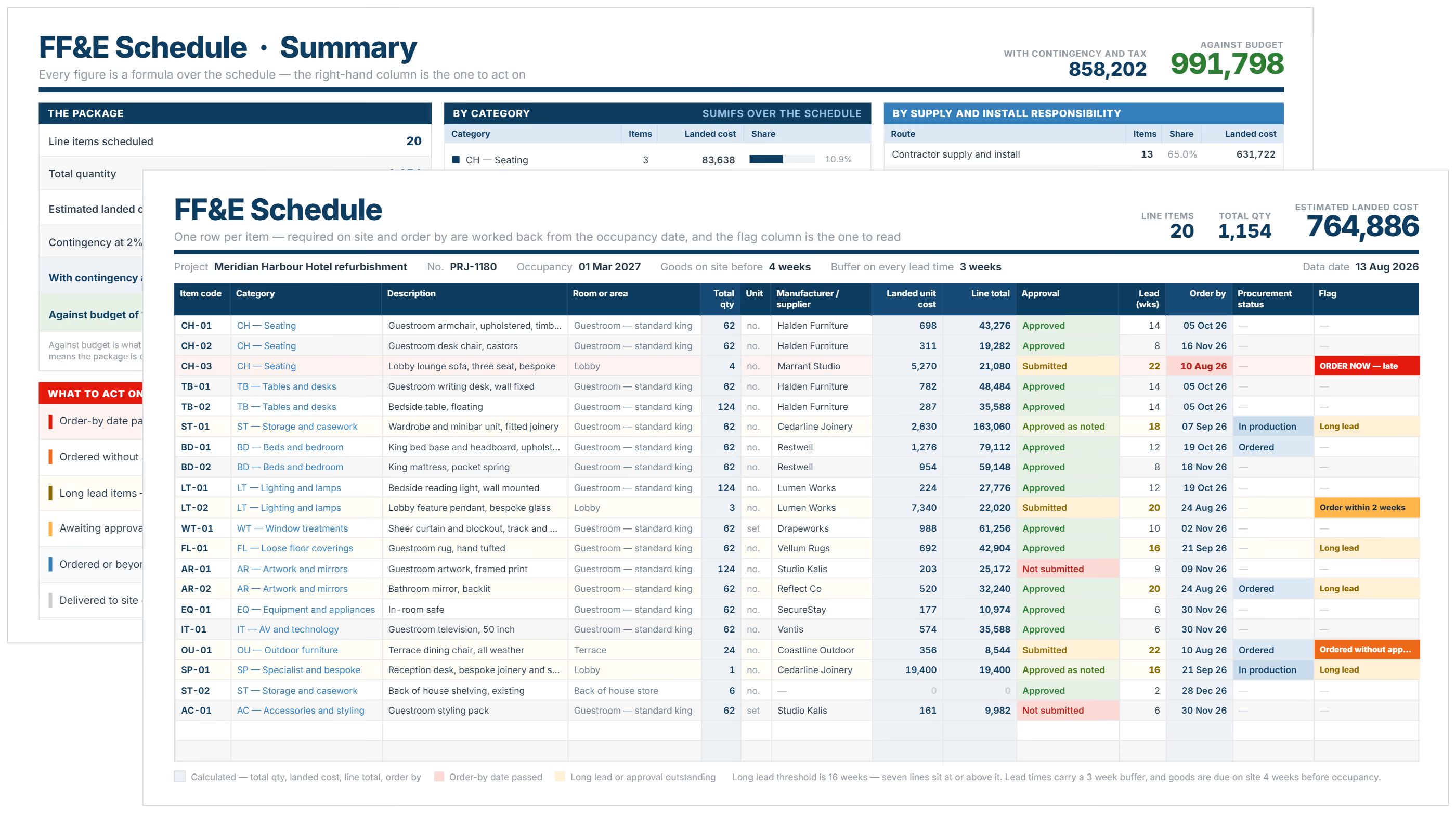
FF&E Schedule
Use this FF&E schedule template to organize furniture, fixture, and equipment specifications across interior design projects. Track product details, vendor information, and procurement timelines in one structured document.

Walk Into Every Meeting With Confidence, Clarity, and Control
No one wants to look unprepared, blindsided, or uncertain in front of stakeholders — but that’s exactly what happens without Mastt.
Start for FreeTrusted by the bold, the brave, and the brilliant across governments, Fortune 500s, and the world’s best in delivering the future

